


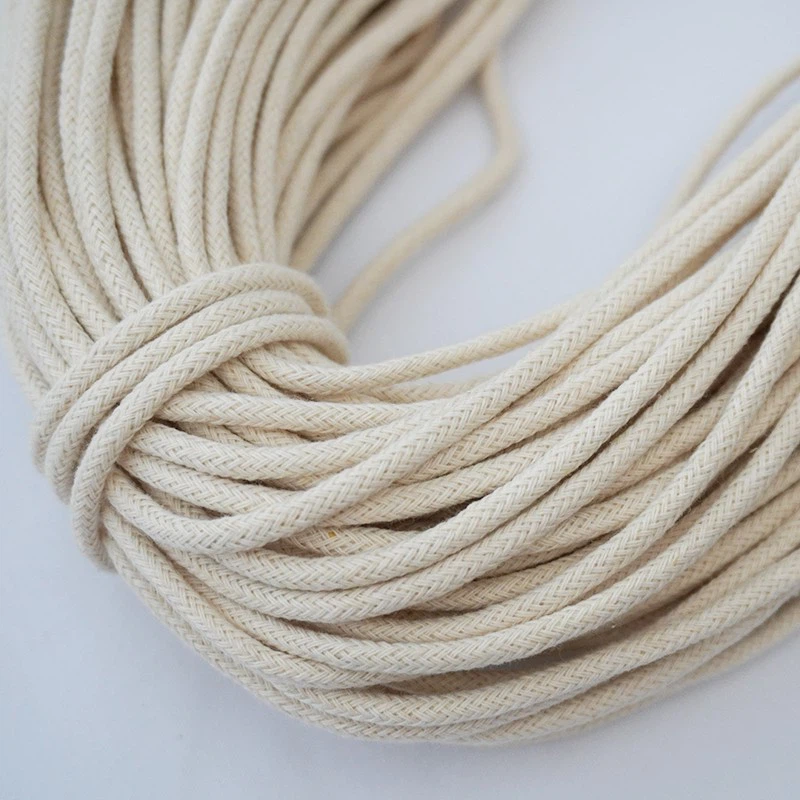
What is Cotton Rope?
Cotton rope is a natural, strong, and durable rope made from cotton fibers. It's soft, stretchy, and easy to handle, and can be dyed to any color. Cotton rope is environmentally friendly and biodegradable.
Why Choose Us
Our Factory
BST is committed to the field of special textile accessories, providing customers with professional, reliable and stable quality products, and providing full supply chain services for textile accessories.
High Quality Product
BST strictly controls every link in production and implements details to ensure that product quality, performance and other indicators meet relevant industry standards, and provide more customers with satisfactory customizable product services.
Customization Service
BST provides personalized customization services, which can be customized according to customer needs in terms of product size, pattern, functionality, etc., and provide one-stop services such as design, proofing, sample delivery, and tracking services.
Sustainable development
BST always implements the concept of combining sustainable development with products. From product design, production, use to recycling, it fully considers environmental protection, resource conservation and other factors to achieve long-term sustainable development of society.


Advantages of Cotton Rope
Cotton Rope is all-natural, which means that it is 100% cotton and contains no man-made materials. With a composition like this, it is great for dog toys and in-home items. Cotton is the safest material for dog toys because it isn't harmful if consumed. Materials like paracord and unmanila rope are dangerous due to being made of plastic, which can harm a pet's organs after consumption. In-home items like rugs, baskets, and macramé are great to have made of cotton because of their durability and wash ability.
100% cotton rope is completely biodegradable making it a great eco-friendly product. Even when your rope is ready to be retired, there is no need to feel guilty about disposing of you rope. Let bacteria and other living organisms take care of it!
Cotton rope is available in a wide range of lengths and diameters. The smallest length option is 10 ft with the largest being 100 ft. Diameter options include 1 mm, 2 mm, 3 mm, 4 mm, 5 mm, 3/16 inch, 7/32 inch, 1/4 inch, 5/16 inch, 1/2 inch, 5/8 inch, 11/16 inch, 3/4 inch.
Natural colored, cream, or white cotton rope can easily be made your own. If you are looking for a specific color that you can't seem to find, dye the rope yourself. You can either choose to purchase dyeing kits or use plants, fruits, and other natural items to dye. For example, raspberries will produce a light pink color.
Uses and Types of Cotton ropes?
Cotton ropes refer to a type of natural rope produced from cotton fibers. It is commonly produced from the fibers growing around the seeds because of the various advantages including fast drying, increased strength, and inability to stretch. Cotton ropes are majorly divided into two these are twisted and braided cotton ropes.
Tying notes
Twisted cotton ropes are usually utilized for this work. While any rope can be used to tie knots, a cotton rope is most preferred because it forms a knot that can be easily secured and its stretching ability makes it to be tightly knotted. Top types of cotton ropes can be used to make different types of knots that can be tied by a cotton rope per the requirement of the user.
General outdoor usage
Cotton ropes are majorly fitted to outdoor activities due to their ability to relate well to the weather elements. It is durable even in misty conditions as well as it can withstand destruction from UV light unlike other materials like polyester. Activities like hiking and camping are well suited to braided cotton ropes as they provide comfort during handling.
Tying down and securing items
The next use of top types of cotton ropes is tying down and securing items. Cotton ropes are recommended for this purpose for their slight stretching ability which increases the strength of securing items. They are also resistant to chemicals and therefore can be used to tie down almost all items, especially on top of cars and trucks.
Towing
This is a well-known use of top types of cotton ropes due to their strength and ability to withstand sudden speed changes. Rigid materials tend to snap when used to tow heavy loads since they lack tensile strength. Any change in speed exceeds their tensile strength limit. This setback is solved by the ability of cotton ropes to stretch when exposed to stressing force.
Decoration
This describes the function of a twisted cotton rope. From decoration of fashion clothing to decoration of the household. Cotton ropes can be made in different twisted brands and dyed differently to be part of outfits on clothes and bags. They can also be utilized to form frames for pictures and mirrors in one's household.
Animal scratching post
Top types of cotton rope can be utilized for this purpose. This is tying up ropes to be used by pets in playing through scratching and biting. This rope type is recommended because it is strong and can withstand tearing pressure of any kind. They are also less harmful in case bits are swallowed by your pet. It also saves you the cost of constantly changing playing toys.
Cotton Rope - Natural vs. Synthetic Fibres


Generally speaking, fabrics are separated into two main categories; natural and synthetic. Sometimes, they can also be a blend of the two, depending on the application, but both come with their own important application across many industries for a variety of reasons. In this helpful guide, we provide insight into the key differences between natural and synthetic fibres, highlighting their important applications, benefits and composition.
Fibres that are composed entirely of natural materials, such as plants, animals or minerals, are known as natural fibres. These natural materials are later spun into yarns and threads that are delicately woven or knit into natural fabrics. Generally, natural fibres are composed of either animal-based or plant-based natural fibres and are categorised as such, with animal-based natural fibres including silk and wool, whilst plant-based fibres include cotton and jute. Below, we take a closer look at some of the different types of natural fibres available, highlighting their key applications and benefits.
Cotton
Derived from the cotton plant, cotton fabric is composed of plant fibres primarily composed of cellulose, a soft and fluffy material that is highly durable. For this reason, cotton fabric is typically used to make cotton rope, clothing and undergarments, such as cotton t-shirts, denim and canvas shoes. Not only this, but cotton is one of the most commonly used materials for underwear, socks and of course, towels.
Silk
Rapidly produced by insects as a material for their nests and cocoons, silk is a natural fibre that contains a protein called fibroin, which provides that famous shine and softness the material is known for. The most common type of silk is made by silkworms and is used for bed sheets, clothing and upholstery among many others. Silk has become a highly popular material at home, to create lavish furnishings, but has many practical applications too, including in bike tyres and parachutes.
Wool
A highly common and important textile made from the hair of many animals, including sheep, goats, llamas and alpacas, wool is well-known for its durability, warmth and water-resistant qualities. Wool is used primarily for making jumpers, cardigans and coats, as well as carpets, blankets, furniture and upholstery. Wool is one of the oldest and most used materials the world over and is still used as the primary material in roof insulation, helping to keep homes warm over the winter.
Jute
A popular textile used to make burlap sacks and rugs, jute is a coarse natural plant fibre derived from the jute plant. Jute's primary use is in providing burlap sacks and packaging for a wide range of industrial and agricultural commodities that require bags, sacks and wrappings.
Linen
Derived from the flax plant, linen is a lightweight, but highly durable fabric used for clothing and bed sheets due to its breathable qualities. Linen is naturally hypoallergenic and an ideal material for clothes to be worn in warm weather. Expensive and produced in relatively small qualities, linen is considered a luxury material but has many applications, from bed sheets and bathroom towels to clothes, napkins and tablecloths.
Composed primarily of synthetic materials that are typically formed through a chemical process, synthetic fibres are extracted using a spinneret to transform polymers into fibres. Synthetic fibres are considered a more cost-effective and easily mass-produced alternative to natural fibres but generally offer less comfort, longevity and appeal. Below, we take a closer look at some of the different types of synthetic fibres available, highlighting their key applications and benefits.
Polyester
Created from coal and petroleum, polyester is a synthetic fibre that is not particularly eco-friendly but is a highly durable material. Ideal for winter; polyester won't absorb liquids and isn't breathable, but is a highly common material used for fashion and sportswear clothing, bed sheets, sleeping bags, footwear, luggage bags, upholstery and even film. Polyester is a highly popular material for many applications due to the fact that the fibres are thermoplastic, or heat-sensitive, meaning they can be shaped easily for different purposes.
Rayon
Although rayon is actually derived from wood pulp, a natural plant fibre, it's still considered at least a semi-synthetic material as it requires chemicals such as sodium hydroxide and carbon disulfide in the production process. Rayon is generally used as a synthetic imitation of silk, wool or other natural fibres with examples such as modal, viscose and lyocell.
Spandex
Famed for its incredible elasticity, Spandex, sometimes referred to as Lycra or elastane, is a synthetic fibre composed primarily of polyurethane. First invented in a laboratory in Virginia in 1959, Spandex is recognised for its incredible stretchiness and is commonly used to create uniforms for ballerinas, cyclists and swimmers.
Acrylic Fibres
Composed of polymers formed by acrylonitrile or vinyl cyanide, acrylic fibres are primarily used for imitation wool or creating fake fur and fleece. Offering excellent heat retention qualities, acrylic fibres are soft, lightweight and extremely comfortable.
Microfibres
Highly popular in cleaning products and clothing, due in no small part to their dirt trapping capabilities, microfibres are typically made from polyester and regularly used as towels for washing cars or windows.
Why You Should Buy Cotton Ropes In Bulk?
There are many excellent reasons to buy cotton ropes in bulk. Purchasing large quantities often yields cost savings, especially for products like ropes with many uses. It's also convenient for those with regular and high-volume use, such as manufacturers, event coordinators, farmers, and DIY enthusiasts. Stocking up on cotton rope can help you ensure you always have what you need without facing last-minute runs to the store or paying inflated prices for smaller or singular items. There's also an environmental aspect, with bulk purchases reducing packaging waste.
Making a successful purchase of cotton ropes in bulk requires a little planning, particularly if you are new to the world of rope purchasing. Here are seven tips to help you navigate the process and get the best quality ropes for your needs.
Assess Your Needs and Intended Use
The first step in buying cotton ropes in bulk is to understand exactly what you need them for. Will you use the ropes for crafts, shipping, or outdoor furniture? The intended use will guide you in size, strength, and style. This knowledge will prevent over-purchasing or buying the wrong type of rope. For example, a rope used for heavy-duty industrial purposes will be very different from one used for decorative macrame.
Understand the Weight and Length
When purchasing cotton ropes, it's important to consider whether they are sold by weight or length. Knowing the metric used is crucial to plan how much you need accurately. If the ropes are sold by length, be sure to convert that measurement to estimate their weight or vice versa. You can avoid buying an insufficient amount or ending up with too much by doing a simple calculation.
Check Quality and Durability
Regarding the quality of cotton ropes, there are several factors to consider. One of the key factors is the manufacturer and its reputation for producing reliable and durable ropes. Additionally, the intended use of the ropes is crucial in determining the level of quality required. For instance, if you're looking for ropes to be used in outdoor settings, it's important to ensure they are treated to resist rot and mildew, as exposure to the elements can deteriorate the quality over time. Another aspect to pay attention to is the construction of the ropes. Look for ropes with minimal fraying, indicating good craftsmanship and attention to detail. Tight braiding is also important, as it enhances the overall strength and durability of the ropes.
Lastly, for heavy-duty applications, choosing ropes with a high tensile strength is essential to ensure they can withstand the task's demands. By considering these aspects and selecting ropes that meet these criteria, you can be confident in the quality and reliability of your cotton ropes.
Review the Sourcing and Manufacturing Process
Transparency in the sourcing and manufacturing process is important for understanding a product's origin and serves as a reliable indicator of its overall quality. When it comes to cotton ropes, for example, it is crucial to look for those that are sustainably sourced, ensuring that the cotton is grown environmentally friendly and that the manufacturing conditions meet or exceed international labor and environmental standards. Considering these factors, you can make a more informed choice and support products prioritizing sustainability and ethical practices.
Consider Your Supplier
When purchasing cotton ropes in bulk, carefully selecting a reputable supplier is of utmost importance. Look for a seller with a proven track record of consistently delivering high-quality products. Additionally, consider checking customer reviews to ensure positive feedback regarding the product and the supplier's customer service. A reliable supplier will be able to answer any inquiries you may have and provide samples to ensure the product meets your requirements. Moreover, they will address any concerns promptly and effectively, making the entire buying process seamless and worry-free.
Request Samples
Before committing to a significant purchase, requesting samples from your potential supplier is highly recommended. This crucial step will allow you to physically assess and evaluate the quality and attributes of the ropes. You can examine their softness, flexibility, color, and any other specific characteristics that are important to you. Taking the time to conduct this final check before placing your order ensures that you are making an informed decision and increases the likelihood of a successful purchase.
Negotiate Terms
Once you've carefully evaluated and selected the ideal ropes and supplier for your needs, negotiations can be highly advantageous, particularly when making bulk purchases. By leveraging your position, you can secure more favorable terms, whether in terms of pricing, shipping arrangements, or payment conditions. Remember, don't hesitate to ask for what you want – after all, the worst response you can receive is a simple "no."
Our Factory
Changxing Bst Textile Co., Ltd. is located in Huzhou City, Zhejiang Province. The company specializes in the research and development, production and sales of textile accessories, and is committed to the field of special functional textile accessories. We have advanced production equipment and process technology, adhering to the business philosophy of quality priority, customer foremost, focus on innovation, integrity management, and win-win cooperation, and we will integrate sustainable development throughout the entire life cycle of the product, provide customers with safe and reliable high-quality products and personalized customization services, and provide full supply chain services for textile accessories.


