


Nylon webbing is a versatile material known for its strength, durability, and wide range of applications. As a nylon webbing supplier, I often receive inquiries about its potential uses in various projects. One question that frequently comes up is whether nylon webbing can be used for making bowstrings. In this blog post, we'll explore the properties of nylon webbing, the requirements for bowstrings, and whether nylon webbing is a suitable choice for this purpose.
Properties of Nylon Webbing
Nylon webbing is made from synthetic nylon fibers, which offer several advantages. First, it has high tensile strength. This means it can withstand a significant amount of pulling force without breaking. Nylon webbing is also resistant to abrasion, which is crucial when the material is going to be in contact with other surfaces or experience friction.
Another important property is its flexibility. Nylon webbing can be easily bent and shaped without losing its integrity. It also has good resistance to moisture, chemicals, and UV rays to some extent, which makes it suitable for use in different environments.
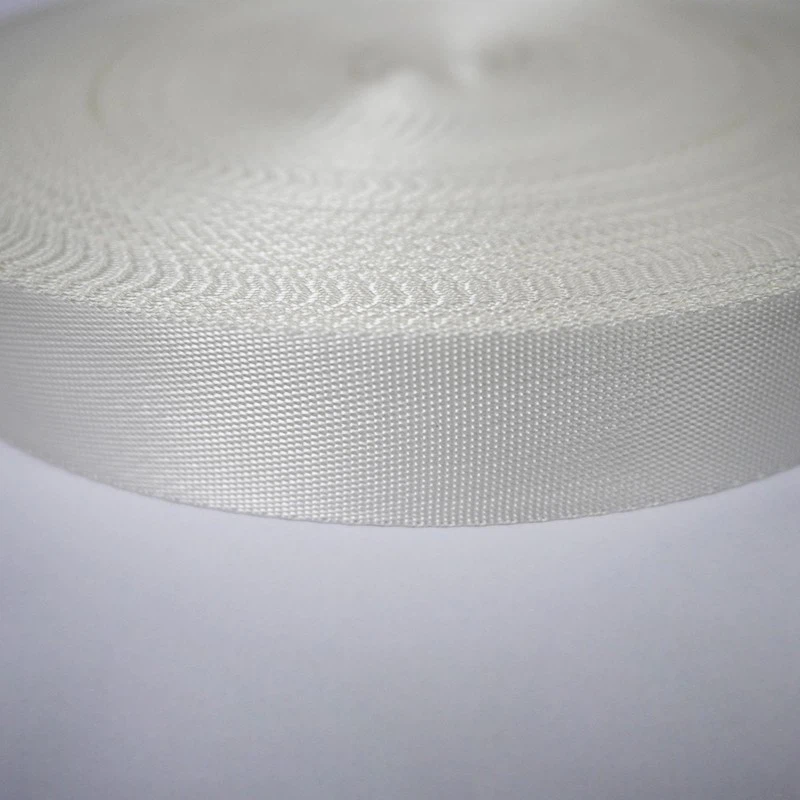
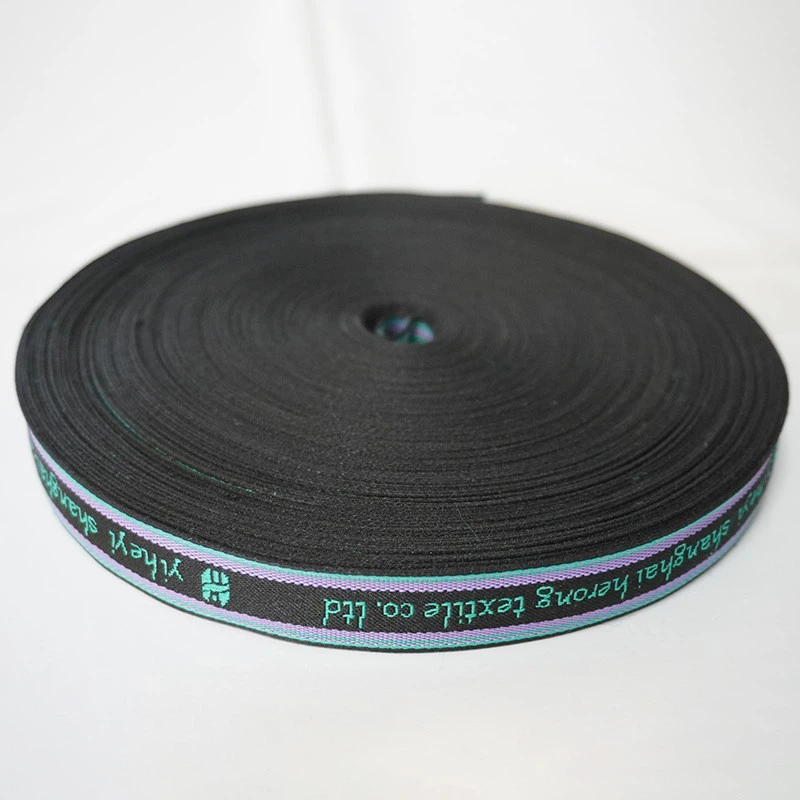
There are different types of nylon webbing available, such as Jacquard Nylon Webbing. Jacquard nylon webbing is known for its intricate patterns and designs, which are created during the weaving process. It offers not only functionality but also an aesthetic appeal. You can find more information about jacquard nylon webbing and its production at Jacquard Nylon Webbing Factory. Additionally, 1 Inch Nylon Webbing is a popular size, which is widely used in many applications due to its convenient width.
Requirements for Bowstrings
A bowstring is a critical component of a bow. It needs to meet several strict requirements to function properly. First and foremost, it must have high tensile strength. When a bow is drawn, the bowstring is subjected to a large amount of force. If the bowstring does not have sufficient strength, it may break during use, which can be dangerous for the archer.
Elasticity is another important factor. The bowstring should have the right amount of elasticity to store and release energy efficiently. When the bow is drawn, the bowstring stretches and stores potential energy. When the arrow is released, this stored energy is transferred to the arrow, propelling it forward. If the bowstring is too elastic, it may not transfer the energy effectively, resulting in a weaker shot. On the other hand, if it is not elastic enough, it may not be able to store enough energy.
In addition, the bowstring should be stable and consistent in its performance. It should not stretch or deform over time, especially under repeated use. This ensures that the archer can achieve consistent accuracy.
Can Nylon Webbing Be Used for Making Bowstrings?
Now, let's analyze whether nylon webbing can meet the requirements for bowstrings.
Tensile Strength
As mentioned earlier, nylon webbing has high tensile strength. In general, it can withstand a relatively large amount of pulling force. However, the specific tensile strength of nylon webbing can vary depending on its thickness, width, and the quality of the nylon fibers used. For some low - powered bows, nylon webbing may have sufficient tensile strength to serve as a bowstring. But for high - powered bows, especially those used in competitive archery or hunting, the tensile strength of common nylon webbing may not be enough.
Elasticity
Nylon webbing has a certain degree of elasticity. However, compared to traditional bowstring materials such as Dacron or Fast Flight, its elasticity characteristics may not be ideal. The elasticity of nylon webbing may be too high or not consistent enough for efficient energy transfer. This can lead to a loss of power in the shot and affect the accuracy of the arrow.
Stability
Over time, nylon webbing may stretch or deform slightly, especially if it is exposed to high stress repeatedly. This can cause changes in the length and tension of the bowstring, which will have a negative impact on the performance of the bow. In contrast, traditional bowstring materials are designed to maintain their shape and tension over long periods of use.
Advantages of Using Nylon Webbing for Bowstrings (in Some Cases)
Despite the above - mentioned limitations, there are some situations where nylon webbing can be considered for making bowstrings.
For beginner archers or children's bows, nylon webbing can be a cost - effective and accessible option. These bows usually have lower draw weights, so the tensile strength requirements are not as high. Nylon webbing can also be easily cut and tied, which makes it relatively easy to make a simple bowstring at home.
How to Improve the Suitability of Nylon Webbing for Bowstrings
If you still want to use nylon webbing for bowstrings, there are some ways to improve its performance.
First, you can choose a thicker and wider nylon webbing to increase its tensile strength. You can also treat the nylon webbing to reduce its elasticity. For example, you can heat - set the webbing to make it more stable. However, these methods require some knowledge and skills, and there is no guarantee that the modified nylon webbing will perform as well as traditional bowstring materials.
Conclusion
In conclusion, while nylon webbing has some potential for making bowstrings, especially in low - power or beginner - level applications, it is not the ideal material for high - performance bows. Traditional bowstring materials are specifically engineered to meet the strict requirements of archery in terms of tensile strength, elasticity, and stability.
As a nylon webbing supplier, I understand that customers may have different needs and preferences. If you are interested in using nylon webbing for bowstrings or other projects, I encourage you to contact us for more information. We can provide you with a wide range of nylon webbing products and offer professional advice on their applications. Whether you need Jacquard Nylon Webbing, 1 Inch Nylon Webbing, or other types of nylon webbing, we are here to assist you. If you have any questions or would like to discuss potential purchases, please feel free to reach out to us. We look forward to the opportunity to work with you and help you find the right nylon webbing solutions for your needs.
References
- Archery Equipment Handbook: A comprehensive guide to the materials and components used in archery.
- Textile Materials and Their Properties: A textbook that provides in - depth knowledge about the properties of synthetic fibers, including nylon.