


Nylon webbing, a versatile and durable material, has found its way into a wide range of applications, from fashion accessories to industrial uses. One question that often arises is whether nylon webbing can be used for making kite strings. As a nylon webbing supplier, I am well - versed in the properties of this material and can provide a detailed analysis of its suitability for this purpose.
Properties of Nylon Webbing
Nylon is a synthetic polymer known for its high strength - to - weight ratio. This means that nylon webbing can support a relatively large amount of weight without being overly heavy. It has excellent abrasion resistance, which is crucial when the webbing is subjected to friction, such as when it rubs against other objects or is pulled through a pulley system.
Another important property of nylon is its elasticity. Nylon webbing can stretch to a certain extent and then return to its original shape. This elasticity can be beneficial in many applications, as it can absorb shock and reduce the risk of sudden breakage. Additionally, nylon is resistant to mildew, rot, and many chemicals, making it suitable for outdoor use where it may be exposed to the elements.
Suitability for Kite Strings
When considering using nylon webbing for kite strings, several factors need to be taken into account.
Strength
The strength of the kite string is of utmost importance. Kites can generate significant forces, especially in strong winds. Nylon webbing, with its high strength - to - weight ratio, can easily handle the forces exerted by most kites. Whether it's a small, lightweight kite for children or a large, high - performance kite used in competitive flying, nylon webbing can provide the necessary strength to keep the kite in the air. For example, a well - made nylon webbing can withstand the pulling force of a kite in gusty winds without breaking.
Durability
Outdoor conditions can be harsh on kite strings. Sunlight, rain, and wind can all take a toll on the material over time. Nylon webbing's resistance to abrasion, mildew, and rot makes it a durable choice for kite strings. It can withstand repeated use and exposure to the elements without deteriorating quickly. This means that kite enthusiasts can enjoy their kites for longer periods without having to replace the strings frequently.
Visibility
Visibility is also an important factor, especially when flying kites in areas with other people or objects. Some nylon webbing can be dyed in bright, vivid colors, which makes the kite string more visible. This can help prevent accidents by making the string easier to see, reducing the risk of entanglement with other kites or objects on the ground.
Flexibility
Nylon webbing has a certain degree of flexibility, which is beneficial for kite flying. It allows the kite to move freely in the air without being restricted by a rigid string. The flexibility also helps in handling the string, making it easier to tie knots and adjust the length of the string as needed.
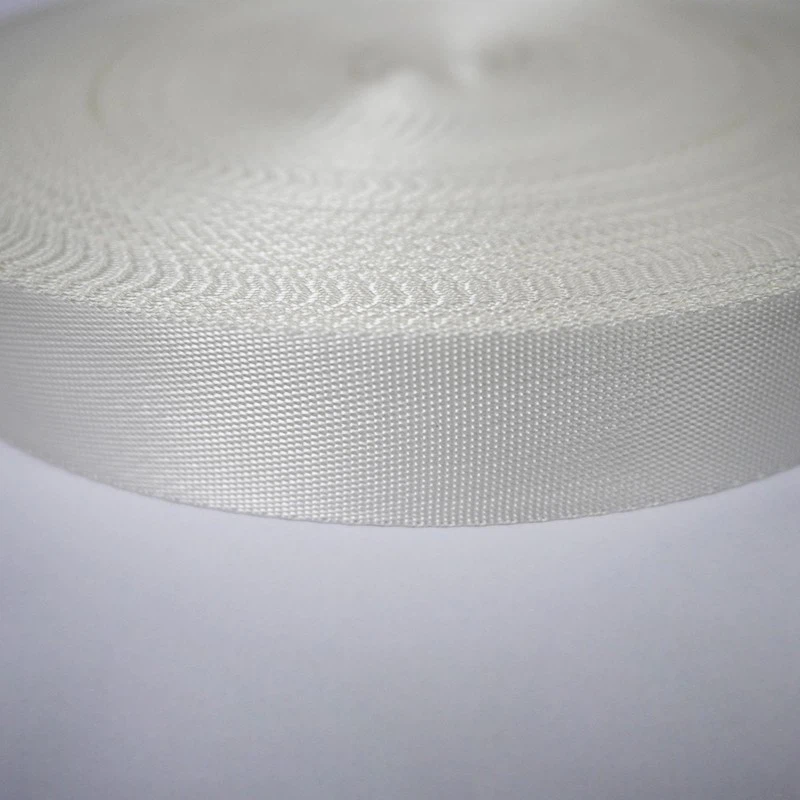

Types of Nylon Webbing for Kite Strings
There are different types of nylon webbing that can be used for kite strings.
Jacquard Nylon Webbing
Jacquard Nylon Webbing is a type of nylon webbing that features intricate patterns and designs. It not only offers the strength and durability of nylon but also adds an aesthetic element to the kite string. The patterns can be customized, allowing kite makers to create unique and eye - catching strings. If you are interested in the manufacturing process of Jacquard Nylon Webbing, you can visit Jacquard Nylon Webbing Factory.
1 Inch Nylon Webbing
1 Inch Nylon Webbing is a popular choice for kite strings. Its width provides a good balance between strength and flexibility. The wider surface area distributes the forces exerted by the kite more evenly, reducing the risk of breakage. It is also relatively easy to handle and tie knots with.
Considerations and Limitations
While nylon webbing has many advantages for making kite strings, there are also some considerations and limitations.
Weight
Although nylon webbing has a high strength - to - weight ratio, very wide or thick webbing can add significant weight to the kite. This can affect the kite's performance, especially in light winds. It is important to choose the appropriate width and thickness of the webbing based on the size and type of the kite.
Static Electricity
Nylon can generate static electricity, which may attract dust and debris. This can be a minor issue, but it can also affect the visibility and performance of the kite string over time. Regular cleaning of the string can help mitigate this problem.
Conclusion
In conclusion, nylon webbing can be an excellent choice for making kite strings. Its strength, durability, visibility, and flexibility make it well - suited for this application. Whether you are a casual kite flyer or a professional kite maker, nylon webbing offers a reliable and versatile option.
If you are interested in using nylon webbing for your kite strings or other applications, I encourage you to contact us for more information. We can provide you with a wide range of nylon webbing products, including Jacquard Nylon Webbing and 1 Inch Nylon Webbing, and help you choose the right material for your specific needs. Our team of experts is ready to assist you in your procurement process and ensure that you get the best quality nylon webbing at a competitive price.
References
- "Nylon: Properties and Applications" - Polymer Science Journal
- "Kite Flying: Principles and Techniques" - Outdoor Sports Magazine