


Hey there! As a nylon webbing supplier, I often get asked if nylon webbing can be used for making seat belts. It's a great question, and today, I'm gonna break it down for you.
Why Nylon Webbing?
First off, let's talk about what makes nylon webbing so special. Nylon is a synthetic polymer known for its strength, durability, and flexibility. These properties make it a top - choice material in a wide range of applications. When it comes to seat belts, strength is obviously a must - have. Nylon webbing has a high tensile strength, which means it can withstand a large amount of force without breaking. This is crucial in a situation where a seat belt needs to hold a person in place during a sudden stop or collision.
Durability is another key factor. Nylon is resistant to abrasion, moisture, and chemicals. In a car, seat belts are constantly exposed to friction from being pulled in and out of the retractor, as well as sweat, spills, and cleaning agents. The ability of nylon webbing to resist these elements ensures that the seat belt remains in good condition over time.
Flexibility is also important. A seat belt needs to be comfortable for the user to wear. Nylon webbing can be made to be soft and pliable, allowing it to conform to the body without causing discomfort. It also allows for easy movement while still providing the necessary restraint.
The Science Behind Nylon Webbing in Seat Belts
The manufacturing process of nylon webbing for seat belts is highly regulated. There are strict standards in place to ensure that the webbing meets the safety requirements. The nylon fibers are first spun into yarns, which are then woven together to form the webbing. The weaving pattern can be adjusted to achieve different levels of strength and flexibility.
The strength of nylon webbing is measured in terms of its breaking strength. For seat belts, the breaking strength needs to be high enough to withstand the forces generated during a crash. Tests are conducted to simulate various crash scenarios, and the webbing must pass these tests to be approved for use in seat belts.
In addition to strength, the webbing also needs to have good energy - absorption properties. When a car stops suddenly, the seat belt needs to absorb some of the energy to reduce the impact on the passenger. Nylon webbing can be engineered to stretch slightly under load, which helps to dissipate the energy.
Types of Nylon Webbing for Seat Belts
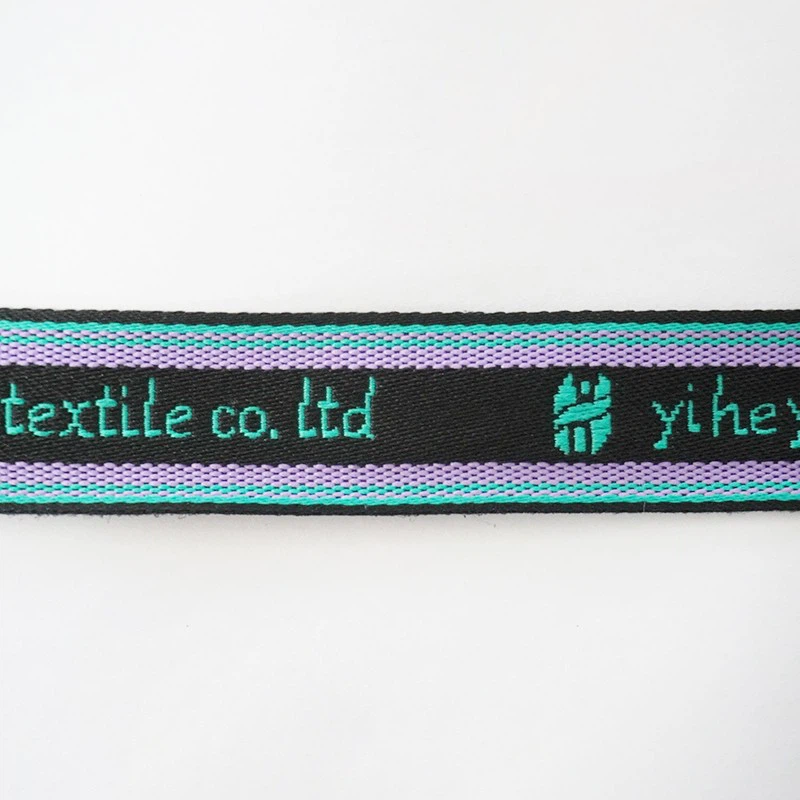
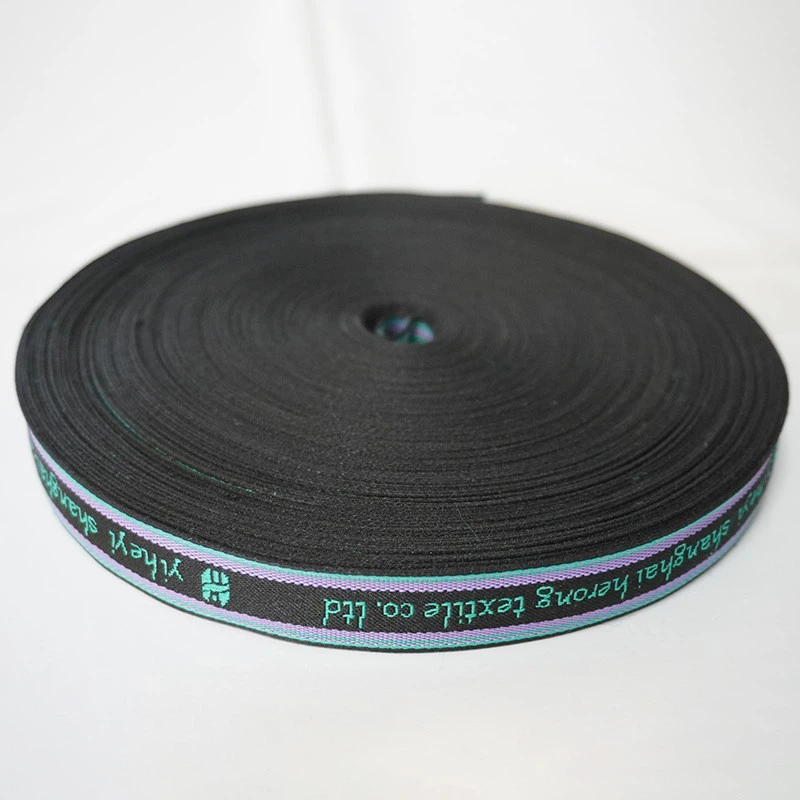
There are different types of nylon webbing that can be used for seat belts. One popular option is Jacquard Nylon Webbing. Jacquard webbing is known for its intricate patterns and designs. In the context of seat belts, it can offer both functionality and aesthetics. The patterns can be used for branding or to add a unique touch to the seat belt. You can also check out Jacquard Nylon Webbing Factory for more information on the production side.
Another common type is 2 Inch Nylon Webbing. The 2 - inch width is a standard size for many seat belts. It provides a good balance between comfort and strength. The wider width distributes the force more evenly across the body, reducing the pressure on any one area.
Challenges and Considerations
While nylon webbing has many advantages for seat belt applications, there are also some challenges and considerations. One issue is the cost. High - quality nylon webbing that meets the strict safety standards can be relatively expensive. However, the cost is often justified by the safety and durability it provides.
Another consideration is the aging of the nylon. Over time, exposure to sunlight, heat, and chemicals can cause the nylon to degrade. This can reduce its strength and performance. To mitigate this, manufacturers often use additives and treatments to improve the UV resistance and chemical stability of the nylon webbing.
Conclusion and Call to Action
So, can nylon webbing be used for making seat belts? Absolutely! It has the strength, durability, and flexibility needed to keep passengers safe in a vehicle. Whether you're a car manufacturer, a seat belt supplier, or someone looking for high - quality nylon webbing for a custom seat belt project, we've got you covered.
If you're interested in purchasing nylon webbing for seat belts or have any questions about our products, feel free to reach out. We're here to help you find the perfect solution for your needs. Let's work together to make the roads safer!
References
- ASTM International. Standard specifications for seat belt webbing.
- National Highway Traffic Safety Administration (NHTSA). Safety standards for seat belts.
- Textile Research Institute. Research on the properties of nylon webbing for automotive applications.