


Hey there! As a supplier of polyester webbing, I often get asked whether polyester webbing can be heat - sealed. Well, let's dive right into this topic and find out.
First off, what is polyester webbing? Polyester webbing is a type of woven fabric made from polyester fibers. It's super versatile and can be found in a ton of different applications. You've got Patterned Polyester Webbing, which is great for adding a decorative touch to various products. Then there's White Polyester Webbing, a classic choice that's clean - looking and can be used in a wide range of settings. And of course, Multicolor Polyester Webbing that really stands out and catches the eye.
Now, back to the main question: Can polyester webbing be heat - sealed? The short answer is yes, it can. Polyester is a thermoplastic material. What does that mean? It means that when you apply heat to it, it softens and can be molded or joined together. When you heat - seal polyester webbing, you're essentially using heat to melt the edges of the webbing slightly so that they bond together.
The process of heat - sealing polyester webbing is actually quite straightforward. You'll need a heat - sealing machine, which can come in different forms. There are handheld heat - sealers that are great for small - scale projects or quick fixes. For larger production runs, you might want to invest in a more industrial - grade heat - sealing machine.
When you use a heat - sealer on polyester webbing, you set the machine to the appropriate temperature. This is crucial because if the temperature is too low, the webbing won't melt enough to form a strong seal. On the other hand, if it's too high, you can damage the webbing, making it brittle or even burning it. Usually, the ideal temperature range for heat - sealing polyester webbing is between 200 - 250 degrees Celsius, but it can vary depending on the thickness and quality of the webbing.
Once you've set the temperature, you place the ends of the webbing you want to seal between the heat - sealing elements of the machine. Then, you apply pressure for a short period, usually just a few seconds. The heat melts the polyester fibers at the edges, and when they cool down, they form a solid, seamless bond.
There are a bunch of benefits to heat - sealing polyester webbing. One of the biggest advantages is the strength of the seal. A properly heat - sealed joint is often as strong as the rest of the webbing, if not stronger. This makes it perfect for applications where the webbing will be under stress, like in safety harnesses or heavy - duty straps.
Another benefit is the clean finish. Heat - sealing leaves a smooth, professional - looking edge. There are no frayed ends, which not only looks better but also reduces the risk of the webbing unraveling over time. This is especially important in applications where aesthetics matter, like in fashion accessories or home decor items.
Heat - sealing also offers good resistance to moisture and chemicals. Since the seal is formed by melting the polyester fibers together, it creates a barrier that can keep out water and other substances. This makes heat - sealed polyester webbing suitable for outdoor applications or in environments where it might come into contact with liquids or chemicals.
However, there are also a few things to watch out for when heat - sealing polyester webbing. One potential issue is discoloration. If the heat is too intense or the webbing is exposed to the heat for too long, it can turn yellow or brown. This is more of an aesthetic problem, but it can be a deal - breaker in applications where appearance is key.
Another thing to consider is the effect on the flexibility of the webbing. Sometimes, heat - sealing can make the area around the seal a bit stiffer. This might not be a problem in some applications, but if you need the webbing to remain flexible, you'll need to be careful with the heat - sealing process. You might need to adjust the temperature and pressure settings to minimize the stiffness.
In terms of applications, heat - sealed polyester webbing has a wide range of uses. In the automotive industry, it's used for seat belts and other safety components. The strong, reliable seal ensures that these parts can withstand the forces involved in a car accident.
In the sports and fitness world, heat - sealed polyester webbing is used in things like gym equipment straps and backpacks. The clean finish and strength of the seal make these products more durable and long - lasting.
In the fashion industry, it's used in belts, handbag straps, and other accessories. The smooth, professional look of heat - sealed webbing adds a touch of quality to these items.

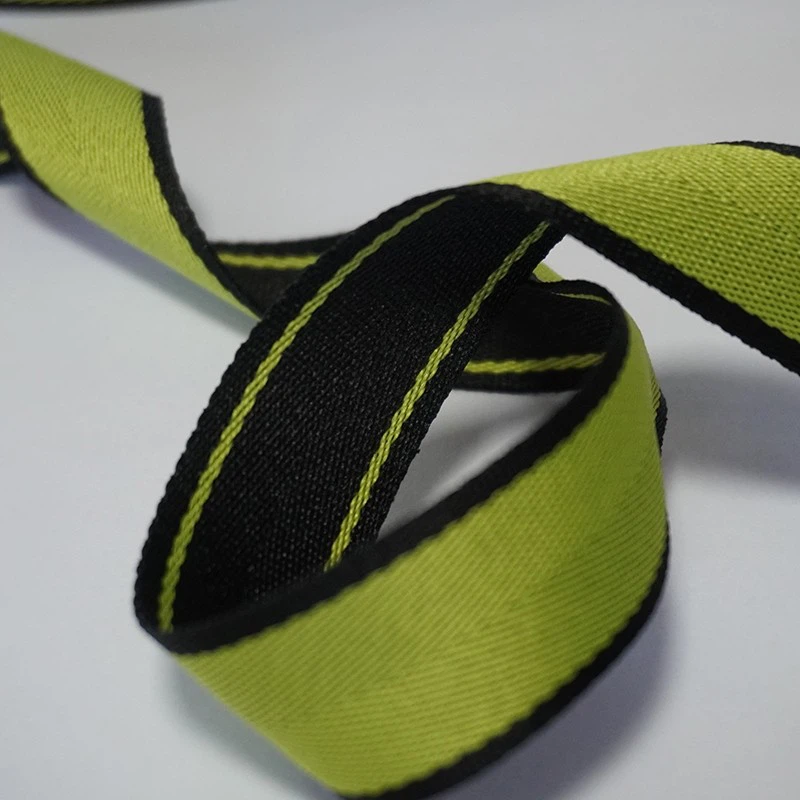
As a supplier of polyester webbing, I can tell you that we offer high - quality webbing that is well - suited for heat - sealing. Our webbing is made from top - grade polyester fibers, which ensures a strong and reliable seal. Whether you're a small business looking for a unique product or a large manufacturer in need of a consistent supply, we've got you covered.
If you're interested in using heat - sealed polyester webbing for your project, I'd love to chat with you. We can discuss your specific requirements, like the thickness, width, and color of the webbing, as well as the best heat - sealing methods for your application. Contact us to start a conversation about your procurement needs, and let's work together to find the perfect solution for you.
References:
- "Plastics Technology Handbook", Third Edition, by Howard S. Katz
- "Textile Science and Engineering" textbooks on thermoplastic fibers and their applications.