


Webbing is a versatile and practical material that can be used in a variety of home - decor projects, and one of the most charming and useful applications is making curtain ties. As a webbing supplier, I'm excited to share with you how you can use different types of webbing to create beautiful curtain ties.
Why Choose Webbing for Curtain Ties?
Webbing comes in a wide range of materials, colors, and widths, offering endless possibilities for customization. Whether you're aiming for a modern, minimalist look or a more rustic, traditional aesthetic, there's a webbing option to suit your style. Additionally, webbing is durable, easy to work with, and relatively inexpensive compared to other curtain tie materials.
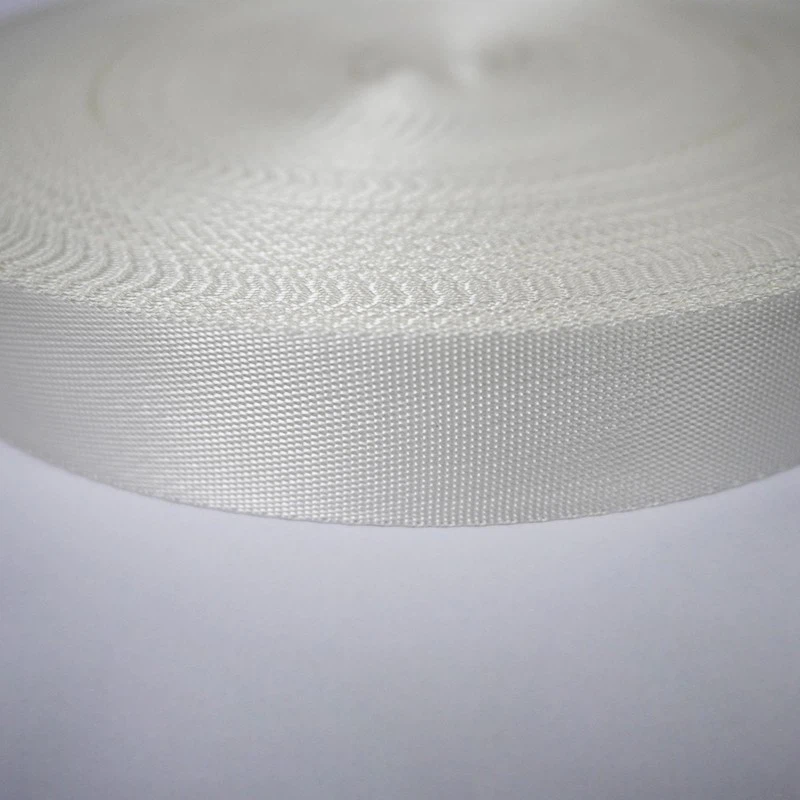

Types of Webbing Suitable for Curtain Ties
- Nylon Webbing: Nylon webbing is strong, lightweight, and resistant to abrasion. It has a smooth texture and comes in a variety of colors. 1 Inch Nylon Webbing is a great choice for curtain ties as it provides a clean and contemporary look. It's also easy to clean, making it suitable for high - traffic areas.
- Polypropylene Webbing: Polypropylene webbing is another popular option. It's resistant to water, mildew, and UV rays, making it ideal for outdoor curtains or curtains in humid environments. 25mm Polypropylene Webbing is a common width that offers a good balance between strength and flexibility. It has a slightly matte finish, which can add a touch of understated elegance to your curtains.
- Cotton Webbing: Cotton webbing has a natural and soft feel. It's breathable and can add a warm, cozy touch to your home decor. Herringbone Cotton Webbing is a particularly stylish choice, with its distinctive pattern that can make your curtain ties stand out.
Tools and Materials Needed
- Webbing: Choose the type and width of webbing according to your design preferences.
- Scissors or a rotary cutter: To cut the webbing to the desired length.
- Sewing machine or needle and thread: If you want to finish the edges of the webbing or add decorative elements.
- Fasteners: Such as buttons, hooks, or clasps, depending on your chosen design.
- Measuring tape: To ensure accurate measurements.
Step - by - Step Guide to Making Curtain Ties
- Measure and Cut the Webbing
- First, measure the length of the curtain ties you need. A typical curtain tie is around 18 - 24 inches long, but you can adjust this based on the size of your curtains and your personal preference.
- Use scissors or a rotary cutter to cut the webbing to the appropriate length. Make sure to cut the webbing straight for a neat appearance.
- Finish the Edges
- If your webbing frays easily, it's a good idea to finish the edges. You can use a sewing machine to sew a straight stitch along the edges, or if you're using a hand - sewing method, a simple overcast stitch will work. This will prevent the webbing from unraveling over time.
- Add Fasteners
- There are several ways to add fasteners to your curtain ties.
- Button and Buttonhole Method: If you choose to use buttons, measure and mark where you want to place the buttonholes on one end of the webbing. Use a buttonhole foot on your sewing machine to create the buttonholes. Then, sew a button on the other end of the webbing at the appropriate position so that it can fit through the buttonholes.
- Hook and Loop Method: You can attach hook - and - loop fasteners (such as Velcro) to the ends of the webbing. Cut the hook and loop pieces to the appropriate size and sew them onto the webbing. This is a quick and easy option, especially if you want to be able to adjust the tightness of the curtain ties easily.
- Clasp Method: For a more decorative and secure option, you can use clasps. Sew or attach the clasps to the ends of the webbing according to the manufacturer's instructions.
- Optional: Add Decorative Elements
- If you want to make your curtain ties more unique, you can add decorative elements. For example, you can sew on beads, sequins, or ribbon along the length of the webbing. You can also use fabric paint to add patterns or designs.
Different Styles of Curtain Ties
- Simple Loop Ties
- These are the easiest to make. Simply cut the webbing to the desired length, finish the edges, and form a loop. You can use a knot or a fastener to keep the loop in place. Simple loop ties have a minimalist look that can work well with modern or contemporary decor.
- Tassel Ties
- To make tassel curtain ties, cut the webbing as usual. Then, attach tassels to one or both ends of the webbing. You can purchase pre - made tassels or make your own using yarn. Tassel ties add a touch of elegance and movement to your curtains.
- Braided Ties
- Take multiple strands of webbing and braid them together. You can use different colors of webbing to create a more interesting pattern. Finish the edges and add fasteners as needed. Braided ties have a rustic and handmade look.
Maintenance of Webbing Curtain Ties
- Cleaning: The cleaning method depends on the type of webbing. Nylon and polypropylene webbing can usually be wiped clean with a damp cloth or washed in cold water if necessary. Cotton webbing may require more delicate cleaning, such as hand - washing or using a gentle cycle in the washing machine.
- Storage: When not in use, store your curtain ties in a dry and cool place. Avoid folding them too tightly for long periods to prevent creases.
Conclusion
Using webbing to make curtain ties is a fun and rewarding DIY project. With the wide variety of webbing options available from our supply, you can create curtain ties that perfectly match your home decor style. Whether you're looking for a simple and modern look or a more elaborate and decorative design, webbing provides the flexibility and durability you need.
If you're interested in purchasing webbing for your curtain tie projects or other applications, we invite you to contact us for more information and to discuss your specific requirements. Our team of experts is ready to assist you in finding the perfect webbing for your needs.
References
- "Home Decorating with Webbing" by DIY Home Decor Magazine
- "The Art of Curtain Making" by Decorative Textiles Press