


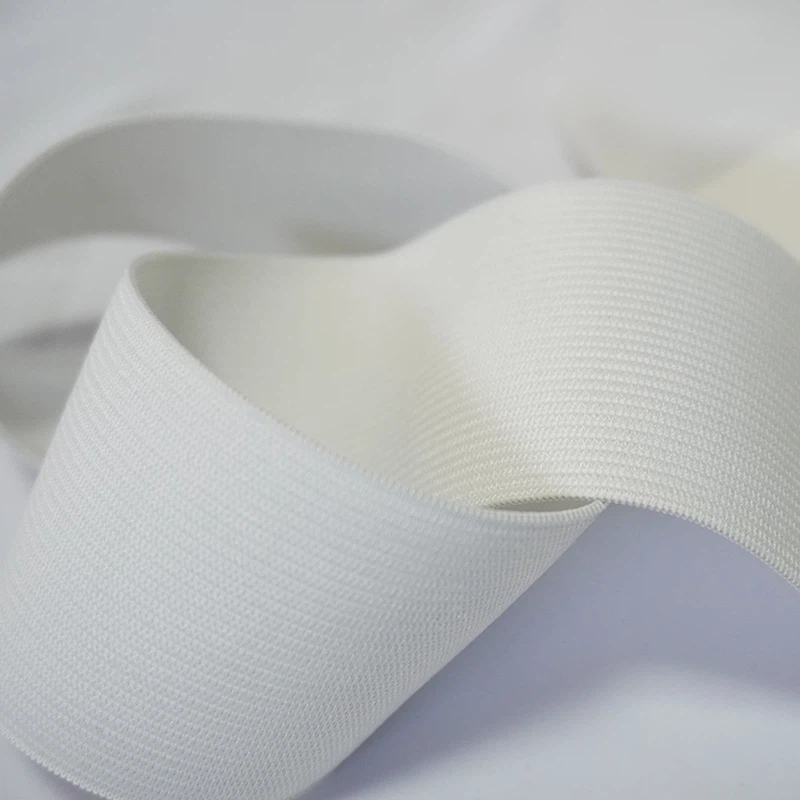
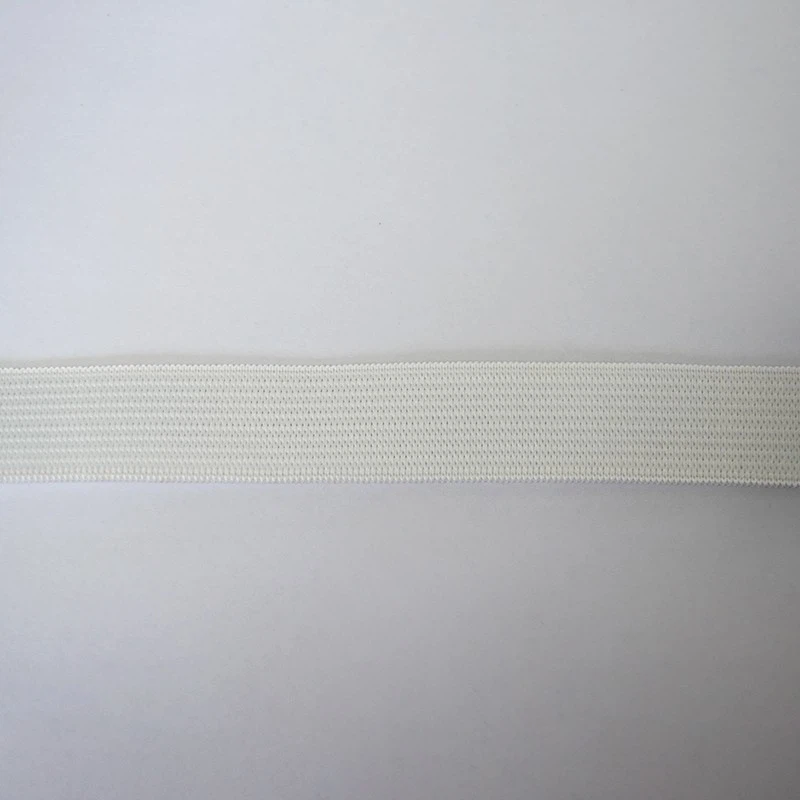
As a trusted supplier of knitted elastic, I am excited to share insights on how to effectively use knitted elastic in medical products. Knitted elastic is a versatile material that offers unique properties, making it an ideal choice for various medical applications. In this blog post, I will explore the benefits of knitted elastic in the medical field, discuss different types of medical products where it can be used, and provide practical tips on its application.
Benefits of Knitted Elastic in Medical Products
Knitted elastic brings several advantages to medical products, making it a preferred material for manufacturers. Firstly, its stretchability is a key feature. Medical products often need to conform to the body's movements and contours, and knitted elastic can provide the necessary flexibility. Whether it's a compression garment or a surgical mask, the ability to stretch and recover ensures a comfortable and secure fit for the patient.
Secondly, knitted elastic is breathable. In medical applications, especially those in contact with the skin for extended periods, breathability is crucial to prevent skin irritation and discomfort. The open structure of knitted elastic allows air to circulate, keeping the skin dry and reducing the risk of skin problems.
Another benefit is its durability. Medical products are subject to frequent use and washing, and knitted elastic can withstand these conditions without losing its elasticity or shape. This ensures that the medical products maintain their functionality and effectiveness over time.
Types of Medical Products Using Knitted Elastic
Compression Garments
Compression garments are widely used in the medical field to treat various conditions such as lymphedema, venous insufficiency, and sports injuries. Knitted elastic is an essential component of these garments as it provides the necessary compression force. The stretchability of knitted elastic allows the garment to fit snugly around the affected area, promoting blood circulation and reducing swelling. For example, in a compression sock, the knitted elastic is used to create a graduated compression effect, with higher pressure at the ankle and gradually decreasing pressure towards the calf.
Surgical Masks
Surgical masks are designed to protect both the wearer and others from the spread of infectious particles. Knitted elastic is used to secure the mask around the ears, ensuring a proper fit. The soft and stretchy nature of knitted elastic makes it comfortable to wear for long periods, reducing the risk of ear pain or irritation. Additionally, the durability of knitted elastic ensures that the mask remains securely in place during surgical procedures.
Bandages and Wraps
Bandages and wraps are used to support and immobilize injured body parts. Knitted elastic can be used in these products to provide flexibility and support. For instance, an elastic bandage can be wrapped around a sprained ankle to provide compression and stability. The stretchability of knitted elastic allows the bandage to conform to the shape of the ankle, while its breathability helps to keep the skin healthy.
Medical Braces
Medical braces are used to provide support and protection to joints and muscles. Knitted elastic is often incorporated into the design of these braces to enhance their comfort and functionality. For example, a knee brace may use knitted elastic straps to adjust the fit and provide additional support to the knee joint. The stretchability of the elastic allows for a customized fit, while its durability ensures that the brace can withstand the stresses of daily use.
Practical Tips on Using Knitted Elastic in Medical Products
Selecting the Right Type of Knitted Elastic
There are different types of knitted elastic available, each with its own characteristics and properties. When choosing knitted elastic for medical products, it is important to consider factors such as stretchability, width, thickness, and color. For example, for compression garments, a high-stretch knitted elastic with a specific compression rating may be required. For surgical masks, a soft and lightweight knitted elastic may be more suitable. You can explore our Colorful Crochet Elastic, 426 Crochet Elastic, and 378 Crochet Elastic to find the right option for your medical products.
Proper Cutting and Sewing Techniques
When using knitted elastic in medical products, proper cutting and sewing techniques are essential to ensure its functionality and durability. It is recommended to use sharp scissors to cut the elastic to the desired length, as dull scissors can cause fraying. When sewing the elastic, use a stretch stitch or a zigzag stitch to allow the elastic to stretch without breaking the stitches. Additionally, make sure to sew the elastic securely to prevent it from coming loose during use.
Testing and Quality Control
Before mass-producing medical products with knitted elastic, it is important to conduct thorough testing and quality control. Test the stretchability, durability, and comfort of the elastic in the actual medical product to ensure that it meets the required standards. Check for any signs of fraying, breakage, or loss of elasticity. By conducting these tests, you can identify and address any issues before the products are released to the market.
Conclusion
Knitted elastic is a valuable material in the medical field, offering numerous benefits such as stretchability, breathability, and durability. By understanding its properties and applications, medical product manufacturers can effectively use knitted elastic to create high-quality and functional products. Whether it's compression garments, surgical masks, bandages, or medical braces, knitted elastic plays a crucial role in ensuring the comfort and effectiveness of these products.
If you are interested in using knitted elastic in your medical products, I encourage you to contact us for more information and to discuss your specific requirements. We are a leading supplier of knitted elastic, offering a wide range of products to meet your needs. Our team of experts can provide you with professional advice and support to help you select the right knitted elastic for your medical products.
References
- "Compression Therapy: A Review of the Evidence." Journal of Vascular Nursing, 2019.
- "The Role of Elastic Materials in Medical Textiles." Textile Research Journal, 2020.
- "Design and Development of Medical Products Using Knitted Elastic." International Journal of Medical Engineering and Informatics, 2021.