


Is knitted elastic suitable for swimwear? This is a question that many swimwear manufacturers and designers often ponder. As a knitted elastic supplier, I have in - depth knowledge and rich experience in this field, and I'm eager to share my insights with you.
Characteristics of Knitted Elastic
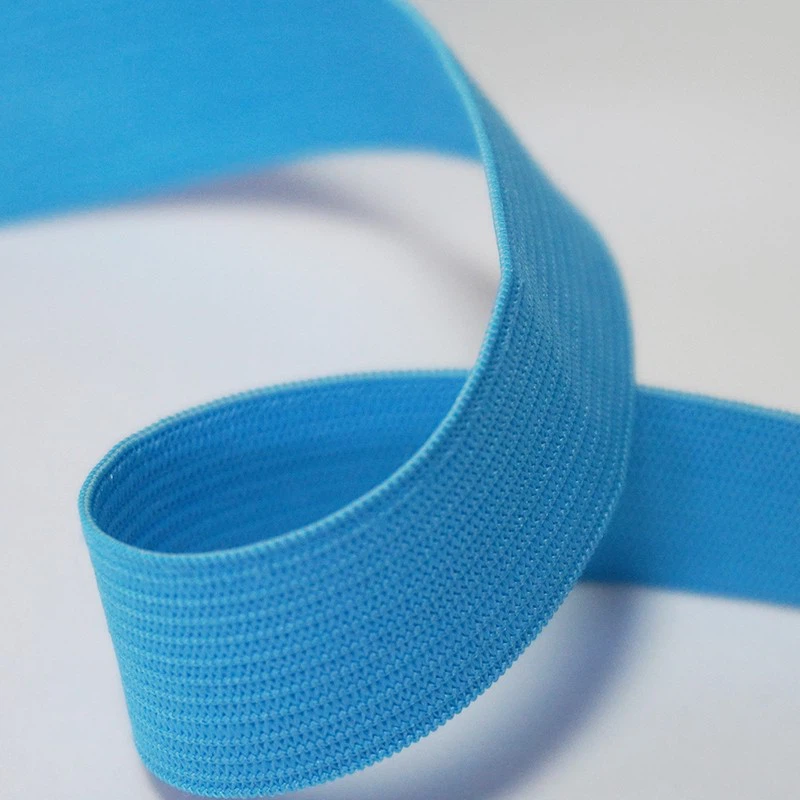
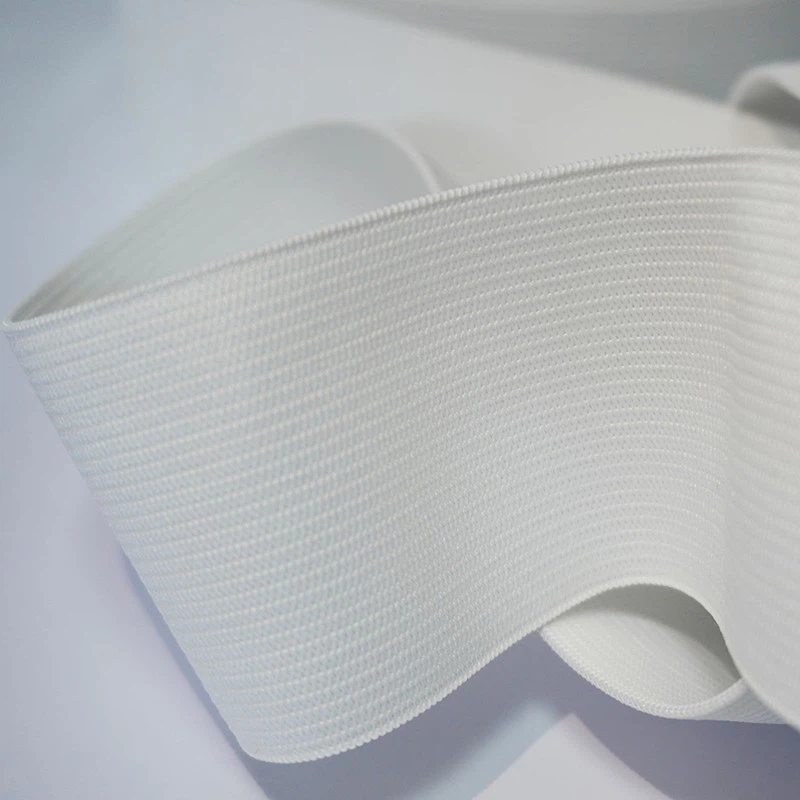
Knitted elastic is crafted through a knitting process, which endows it with several unique properties. Firstly, it has excellent stretchability. The knitted structure allows the elastic to stretch in multiple directions, providing a comfortable fit for the body. When used in swimwear, it can adapt to the body's movements during swimming, diving, and other water - related activities, without restricting the wearer's range of motion.
Secondly, knitted elastic is relatively soft. Unlike some other types of elastic materials that may feel rough against the skin, knitted elastic has a smooth and gentle texture. This is crucial for swimwear, as the skin is in direct contact with the elastic for an extended period in the water. A soft elastic can prevent skin irritation and chafing, ensuring a pleasant wearing experience.
Another advantage of knitted elastic is its durability. The knitting process creates a strong and stable structure that can withstand repeated stretching and exposure to water, chemicals, and sunlight. In the harsh environment of swimming pools with chlorine or in saltwater, knitted elastic retains its elasticity and shape over time, making it a reliable choice for long - lasting swimwear.
Advantages of Using Knitted Elastic in Swimwear
Comfort
Comfort is a top priority for swimwear. Knitted elastic conforms to the body's curves, providing a snug yet comfortable fit. It doesn't dig into the skin or leave marks, even when worn for long hours. For example, when used as waistbands or leg openings in swimsuits, it allows the wearer to move freely in the water without the distraction of discomfort.
Aesthetic Appeal
Knitted elastic comes in a wide variety of colors and patterns. You can choose from classic black, white, and nude tones to more vibrant and trendy colors like neon pink, electric blue, and metallic shades. There are also options with unique patterns such as stripes, dots, and floral designs. This variety allows swimwear designers to add visual interest to their products. For instance, a colorful crochet elastic Colorful Crochet Elastic can be used as a decorative trim on a simple one - piece swimsuit, instantly transforming its appearance.
Functionality
In addition to providing a comfortable fit, knitted elastic also serves important functional purposes in swimwear. It helps to keep the swimwear in place during movement. For example, in a bikini top, a well - made knitted elastic strap ensures that the top stays secure, even when the wearer is swimming vigorously. In a full - body wetsuit, knitted elastic around the wrists and ankles helps to prevent water from entering the suit, improving its thermal insulation properties.
Types of Knitted Elastic for Swimwear
426 Crochet Elastic
The 426 Crochet Elastic 426 Crochet Elastic is a popular choice for swimwear. It has a fine and delicate texture, making it suitable for use in areas where a more subtle look is desired, such as the edges of swim trunks or the shoulder straps of a swimdress. Its moderate stretch and strength make it ideal for providing just the right amount of support without being too restrictive.
378 Crochet Elastic
The 378 Crochet Elastic 378 Crochet Elastic is slightly thicker and more robust than the 426. It is often used in areas that require more support, like the waistbands of swimsuits or the hems of wetsuits. This type of elastic can withstand greater tension and is less likely to stretch out over time, ensuring the long - term integrity of the swimwear.
Considerations When Using Knitted Elastic in Swimwear
Compatibility with Fabrics
When selecting knitted elastic for swimwear, it's important to consider its compatibility with the main fabric of the swimwear. Different fabrics have different properties, such as stretchability, weight, and texture. The elastic should be able to work in harmony with the fabric to provide a consistent fit and appearance. For example, if the swimwear is made of a lightweight, stretchy fabric, a thinner and more flexible knitted elastic would be a better choice.
Chemical Resistance
Swimwear is exposed to various chemicals in the water, such as chlorine in swimming pools and salt in the ocean. Knitted elastic should have good chemical resistance to prevent degradation. High - quality knitted elastic is treated to withstand these chemicals, maintaining its elasticity and color even after multiple uses.
Colorfastness
Colorfastness is another important factor. Swimwear is often exposed to sunlight, which can cause colors to fade over time. The knitted elastic used in swimwear should have excellent colorfastness to ensure that the colors remain vibrant and true - to - life.
Conclusion
In conclusion, knitted elastic is highly suitable for swimwear. Its stretchability, softness, durability, and aesthetic appeal make it an ideal choice for swimwear manufacturers and designers. Whether you're looking for a delicate and subtle elastic for a high - end swimdress or a strong and supportive elastic for a performance - oriented swimsuit, there is a knitted elastic option available to meet your needs.
If you're in the swimwear industry and are interested in sourcing high - quality knitted elastic for your products, we'd love to hear from you. We offer a wide range of knitted elastic products with different specifications, colors, and patterns. Contact us to start a procurement negotiation and take your swimwear to the next level.
References
- Textile Research Journal. "Properties and Applications of Knitted Elastic Materials."
- International Journal of Fashion Design, Technology and Education. "Innovations in Swimwear Materials and Design."