


Nylon webbing is a versatile and widely used material in various industries, known for its strength, durability, and flexibility. One question that often arises is whether nylon webbing can be used for making bungee cords. In this blog post, we'll explore the feasibility of using nylon webbing for bungee cords, considering its properties, advantages, limitations, and safety aspects. As a nylon webbing supplier, we have in - depth knowledge of this material and can provide valuable insights.
Properties of Nylon Webbing
Nylon webbing is made from nylon fibers, which are synthetic polymers known for their high tensile strength. This means that nylon webbing can withstand significant pulling forces without breaking easily. Additionally, nylon has good abrasion resistance, which allows it to endure friction and wear over time. It is also resistant to many chemicals, mildew, and rot, making it suitable for use in different environments, both indoors and outdoors.

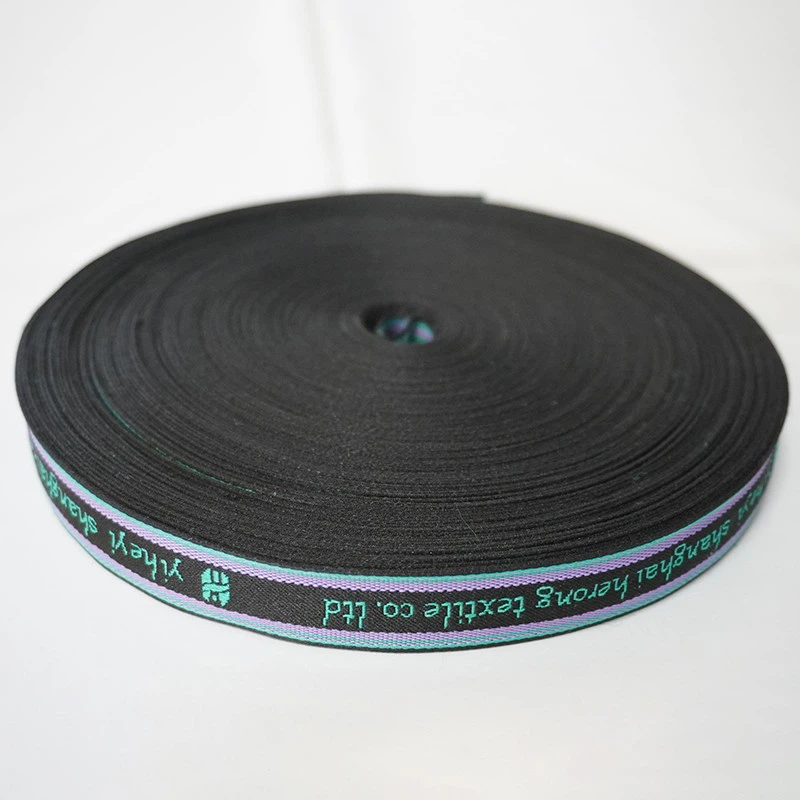
The flexibility of nylon webbing is another important property. It can be easily bent, folded, and manipulated into various shapes, which is crucial for applications where the material needs to conform to different objects or movements. Moreover, nylon webbing is available in a wide range of widths, thicknesses, and colors, providing options to meet different design and functional requirements. For instance, you can find 1 Inch Nylon Webbing for more delicate applications and 2 Inch Nylon Webbing for heavier - duty uses. There is also Jacquard Nylon Webbing, which offers unique patterns and aesthetics in addition to its functional properties.
Can Nylon Webbing Be Used for Bungee Cords?
The short answer is yes, nylon webbing can be used for making bungee cords, but with some considerations. Bungee cords are designed to stretch and recoil, providing an elastic force that can absorb shock and allow for dynamic movement. Nylon webbing has some inherent elasticity, especially when the nylon fibers are woven in a way that allows for some give. However, compared to traditional bungee cord materials, the elasticity of nylon webbing is relatively limited.
Traditional bungee cords are often made from natural or synthetic rubber, which can stretch up to several times their original length and then return to their original shape quickly. Nylon webbing, on the other hand, typically stretches only a fraction of its original length. For example, a high - quality nylon webbing might stretch 10% - 20% under normal use, while a rubber bungee cord can stretch 200% - 500%.
Advantages of Using Nylon Webbing for Bungee Cords
- Strength and Durability: As mentioned earlier, nylon webbing has high tensile strength and good abrasion resistance. This means that a bungee cord made from nylon webbing is less likely to break under heavy loads or due to friction. It can withstand repeated use and harsh environmental conditions, making it a long - lasting option.
- Versatility: Nylon webbing comes in different widths and thicknesses, allowing you to customize the bungee cord according to your specific needs. You can choose a wider and thicker webbing for applications that require more strength, or a narrower one for lighter - duty uses. The variety of colors and patterns also gives you the opportunity to create bungee cords that are not only functional but also aesthetically pleasing.
- Ease of Attachment: Nylon webbing can be easily attached to other objects using various methods such as knots, buckles, or clips. This makes it convenient to use in different settings and to adapt the bungee cord to different attachment requirements.
Limitations of Using Nylon Webbing for Bungee Cords
- Limited Elasticity: As noted above, the elasticity of nylon webbing is much lower than that of traditional bungee cord materials. This means that it may not be suitable for applications where a high degree of stretch is required, such as extreme sports like bungee jumping.
- Stretch Recovery: While nylon webbing can stretch to some extent, its ability to recover its original shape quickly after stretching is not as good as that of rubber. This can lead to a less efficient recoil and may affect the performance of the bungee cord in applications where a quick and sharp recoil is necessary.
- Load Capacity and Stretch Relationship: The relationship between the load applied and the stretch of nylon webbing is not as linear as that of rubber bungee cords. This can make it more difficult to accurately predict the amount of stretch under a given load, which is important for ensuring the safety and proper functioning of the bungee cord.
Safety Considerations
If you plan to use nylon webbing for bungee cords, safety should be your top priority. Here are some important safety considerations:
- Load Testing: Before using a nylon - webbing bungee cord for any application, it is essential to conduct load testing to determine its maximum load - bearing capacity and the extent of stretch under different loads. This will help you ensure that the bungee cord is suitable for the intended use and can handle the expected forces without failure.
- Overstretching: Avoid overstretching the nylon webbing bungee cord. Excessive stretching can damage the nylon fibers, reduce the strength of the webbing, and increase the risk of breakage. Make sure to use the bungee cord within its recommended stretch limits.
- Proper Attachment: Ensure that the bungee cord is properly attached to the objects it is intended to connect. Loose or improper attachments can cause the bungee cord to come off during use, leading to potential accidents.
Applications of Nylon - Webbing Bungee Cords
Despite its limitations, nylon - webbing bungee cords can be used in a variety of applications where a moderate amount of stretch is sufficient. Some common applications include:
- Securing Cargo: Nylon - webbing bungee cords can be used to secure cargo in trucks, trailers, or on rooftop carriers. The strength and durability of the webbing ensure that the cargo remains in place during transportation.
- Outdoor Equipment: They are useful for securing tarps, tents, and other outdoor equipment. The bungee cords can provide a flexible and adjustable way to keep the equipment stable in windy conditions.
- DIY Projects: Many DIY enthusiasts use nylon - webbing bungee cords in various projects, such as creating adjustable straps or adding a bit of elasticity to homemade furniture.
Conclusion
In conclusion, nylon webbing can be used for making bungee cords, but it has its advantages and limitations. It offers strength, durability, and versatility, making it suitable for applications where a moderate amount of stretch is required. However, its limited elasticity and stretch recovery compared to traditional rubber bungee cords make it less suitable for applications that demand a high degree of stretch and a quick recoil.
If you are interested in using nylon webbing for bungee cord applications or have any questions about our nylon webbing products, we encourage you to contact us for further discussions. We can provide you with detailed product information, assist you in selecting the right type of nylon webbing, and offer support throughout your procurement process.
References
- ASTM International standards related to nylon materials and their mechanical properties.
- Textile industry research on the performance of nylon webbing under different conditions.