


Nylon webbing, known for its durability, strength, and versatility, is a popular choice in various industries. One question that often arises is whether nylon webbing can be used for making cargo nets. As a nylon webbing supplier, I'm here to explore this topic in detail and provide you with all the information you need.
Properties of Nylon Webbing
Nylon is a synthetic polymer that offers a range of excellent properties. First, it has high tensile strength, which means it can withstand significant pulling forces without breaking. This strength is crucial for cargo nets as they need to hold and secure heavy loads during transportation.
Second, nylon webbing is resistant to abrasion. When cargo is being loaded, unloaded, or moved around, there is a lot of friction between the net and the items. A resistant material like nylon can handle this wear and tear, ensuring the net has a long service life.
Nylon is also resistant to chemicals and moisture. Exposure to various substances and humidity is common during cargo transportation. A net made from nylon webbing won't degrade easily when in contact with chemicals or due to damp conditions, maintaining its integrity and functionality.
Advantages of Using Nylon Webbing for Cargo Nets
Strength and Load - Bearing Capacity
Cargo nets need to hold a great deal of weight, and nylon webbing provides just that. Our 2 Inch Nylon Webbing is a prime example. With its wide width, it can distribute the weight of the cargo evenly across the net, reducing the stress on any single point of the webbing. This even distribution of weight allows the net to support heavy loads safely.
Flexibility
Nylon webbing is flexible, which is an asset for cargo nets. It can be easily molded around irregularly shaped cargo. For instance, when securing machinery parts or large crates with uneven edges, the flexibility of nylon webbing enables the net to conform to the shape of the items, providing a more secure hold.
Visibility
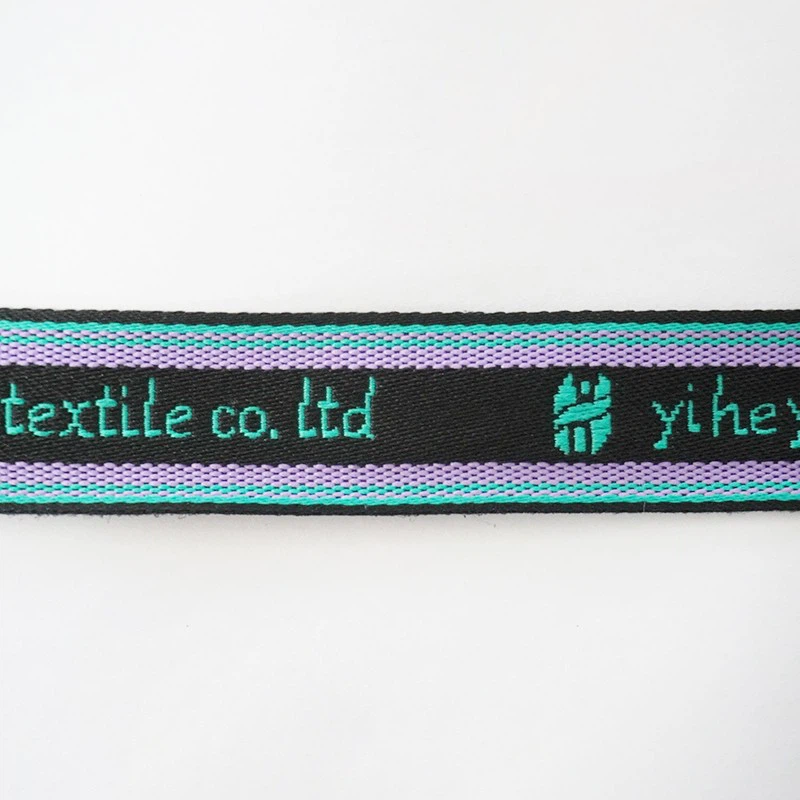
Some nylon webbing, such as our Jacquard Nylon Webbing, can be made with bright colors and unique patterns. In a busy cargo - handling environment, this increased visibility is beneficial. Workers can easily see the net and ensure that it is properly placed and secured around the cargo.
Cost - effectiveness
Compared to some other materials that could be used for cargo nets, nylon webbing is relatively cost - effective. Given its long lifespan and performance capabilities, it offers good value for money. This makes it an attractive option for businesses looking to balance quality and cost when purchasing cargo nets.
Considerations When Using Nylon Webbing for Cargo Nets
Temperature Resistance
While nylon webbing has many positive attributes, it does have some limitations. One such limitation is its performance in extreme temperatures. In very high temperatures, nylon can start to lose its strength. If the cargo is being transported in a hot environment, such as in a desert during the summer, it's important to assess whether the expected temperature will exceed the nylon's safe operating range.
UV Resistance
Exposure to sunlight, especially ultraviolet (UV) rays, can cause nylon webbing to degrade over time. If the cargo nets are going to be used outdoors frequently, it's advisable to choose nylon webbing with enhanced UV resistance. Some manufacturers can treat the webbing to provide better protection against UV damage, prolonging the net's lifespan.
Manufacturing Cargo Nets with Nylon Webbing
Making cargo nets with nylon webbing typically involves several steps. First, the appropriate width and thickness of the nylon webbing need to be selected based on the intended load capacity of the net. For lighter loads, 1 Inch Nylon Webbing might be sufficient, while heavier loads may require wider and thicker webbing.
The webbing is then cut to the required lengths and woven or knotted together to form the net structure. The type of weave or knot used can affect the net's strength and flexibility. For example, a square knot is commonly used as it is strong and easy to tie, ensuring the stability of the net.
After the net is assembled, it may undergo quality control checks to ensure that it meets the required safety standards. This includes testing the net's strength, the integrity of the knots, and overall durability.
Applications of Cargo Nets Made from Nylon Webbing
Transportation Industry
In the transportation industry, cargo nets are essential for securing loads on trucks, trains, and ships. Nylon - webbing - made cargo nets can hold everything from building materials to consumer goods. They prevent the cargo from shifting during transit, which reduces the risk of damage to the items and makes the transportation safer.
Aviation Industry
Even in the aviation industry, cargo nets are used to secure luggage and equipment in the cargo holds of airplanes. The strength and light - weight nature of nylon webbing make it a suitable material for these applications. The flexibility of the webbing also allows it to fit well in the confined spaces of an airplane's cargo area.
Recreational and Outdoor Use
Cargo nets made from nylon webbing are also popular in recreational settings. For example, they can be used to secure gear on boats or in the back of a pickup truck during a camping trip. Their durability ensures that they can withstand the rigors of outdoor use.

Conclusion
In conclusion, nylon webbing can indeed be used for making cargo nets, and it offers many advantages in terms of strength, flexibility, and cost - effectiveness. However, it's important to consider factors like temperature and UV resistance when using it. As a nylon webbing supplier, we offer a wide range of nylon webbing products, including 2 Inch Nylon Webbing, 1 Inch Nylon Webbing, and Jacquard Nylon Webbing, that are suitable for various cargo net applications.
If you are interested in purchasing nylon webbing for your cargo net manufacturing needs or have any questions about our products, please don't hesitate to contact us. We are ready to assist you in finding the best solutions for your specific requirements.
References
- "Engineering Properties of Nylon Polymers" - Polymer Science Handbook
- "Cargo Securement Best Practices" - Transportation Safety Journal
- "Outdoor Applications of Synthetic Webbing Materials" - Recreational Equipment Magazine