


Can Twill Elastic be used in masks?
In the global fight against the COVID - 19 pandemic and the ongoing need for personal protective equipment, masks have become an essential part of our daily lives. The design and materials used in masks play a crucial role in their effectiveness, comfort, and overall user experience. One question that often comes up is whether twill elastic can be used in masks. As a twill elastic supplier, I'd like to delve into this topic and provide some insights.
Understanding Twill Elastic
Twill elastic is a type of woven elastic material. It is characterized by its unique twill weave pattern, which gives it certain properties that set it apart from other types of elastic. Typically, twill elastic is made from a combination of fibers, including natural fibers like cotton or synthetic fibers such as polyester. The fibers are interlaced in a diagonal pattern, creating a strong and durable elastic with good stretch and recovery properties.
The manufacturing process of twill elastic involves precise weaving techniques to ensure the elasticity and strength are well - balanced. This results in an elastic that can withstand repeated stretching without losing its shape easily. It also has a smooth surface, which can be beneficial in many applications.
Advantages of Using Twill Elastic in Masks
Comfort
One of the primary advantages of using twill elastic in masks is the comfort it provides. The smooth surface of the twill elastic reduces the friction against the skin. When the mask is worn for long periods, this can prevent irritation and red marks on the ears and face. Since twill elastic can stretch smoothly and evenly, it distributes the pressure of the mask more uniformly, making the overall wearing experience more comfortable, especially for those who need to wear masks for extended hours, such as healthcare workers or retail employees.
Durability
Masks are often subject to regular handling, washing, and wearing. Twill elastic's durability makes it well - suited for this type of application. It can withstand multiple wash cycles without significant degradation in its elasticity or strength. As a result, the mask can maintain its shape and fit over time, ensuring its continued effectiveness. This is particularly important in reusable masks, where the elastic needs to retain its properties after repeated use and washing.
Versatility
Twill elastic comes in various widths and thicknesses, allowing mask manufacturers to choose the most appropriate option for their specific mask design. Whether it's a simple disposable mask or a more complex, multi - layer fabric mask, twill elastic can be tailored to fit the requirements. Additionally, it can be dyed in a wide range of colors, enabling manufacturers to create masks with different aesthetic looks in addition to their functional properties.
Considerations for Using Twill Elastic in Masks
Hygiene
When using twill elastic in masks, hygiene is a critical consideration. The elastic should be made from materials that are easy to clean and maintain. If natural fibers are used in the twill elastic, they should be treated to resist bacteria and other contaminants. Synthetic fibers like polyester are often more resistant to moisture and bacteria, which can be an advantage in mask applications. Regular washing of the mask, including the elastic part, is essential to ensure that it remains hygienic.
Elasticity and Fit
The elasticity of the twill elastic must be carefully calibrated to ensure a proper fit. If the elastic is too loose, the mask may not provide an adequate seal, reducing its effectiveness in filtering out particles. On the other hand, if it is too tight, it can cause discomfort and even pain to the wearer. Mask manufacturers need to conduct extensive testing to determine the optimal elasticity for different mask styles and sizes.
Compatibility with Mask Materials
Twill elastic must be compatible with the other materials used in the mask. For example, if the mask is made of a delicate fabric, the elastic should not cause damage or fraying when attached. The attachment method, whether it is sewing, gluing, or using other techniques, also needs to be carefully considered to ensure a secure and long - lasting connection.
Comparing Twill Elastic with Other Elastic Options for Masks
There are several other types of elastic materials that are commonly used in masks, such as printed elastic bands, 50mm polyester elastic, and Lurex elastic bands.
Printed Elastic Band can add a decorative element to masks. It is often made in colorful and eye - catching patterns. However, the printing process may add a layer of potential irritation to the skin, especially for those with sensitive skin. In terms of durability, it may be similar to twill elastic, but the printing may fade over time with repeated washing.
50mm Polyester Elastic is known for its strength and resistance to stretching. It can provide a firm hold for masks, but its larger width may not be as comfortable for some users compared to twill elastic. The thickness of the 50mm polyester elastic may also make the mask bulkier.
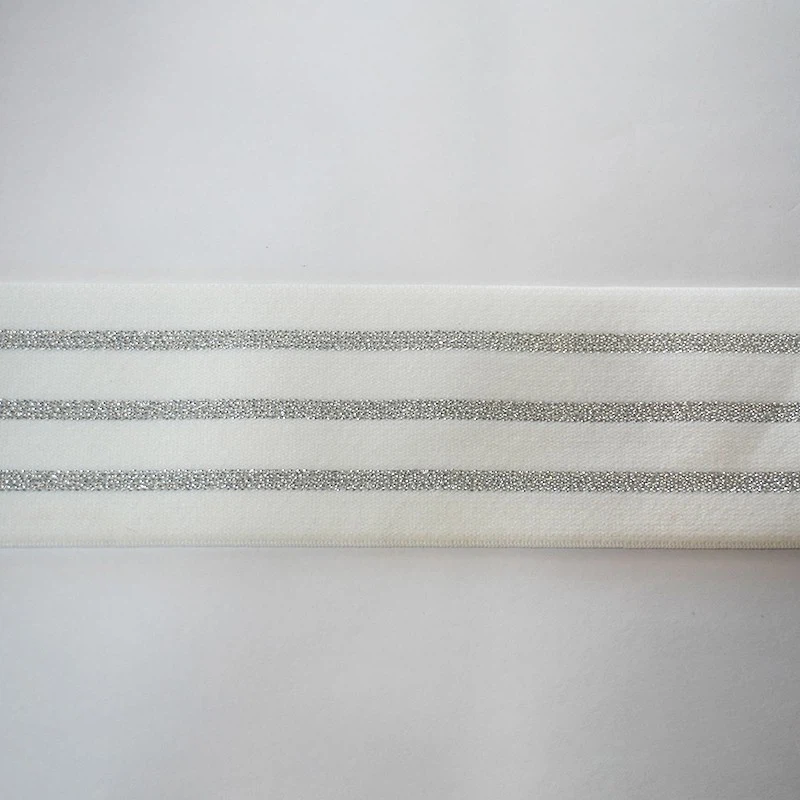
Lurex Elastic Band adds a bit of sparkle to masks, which can be appealing for certain consumer groups. However, the metallic strands in the Lurex elastic may cause some issues, such as being less breathable compared to twill elastic and potentially causing skin irritation.
Real - World Applications and Success Stories
In the market, there are already many mask manufacturers that have successfully incorporated twill elastic into their products. Some have received positive feedback from users regarding the comfort and durability of their masks. For example, a batch of masks targeted at medical staff was made with twill elastic. After weeks of use and multiple wash cycles, the elastic still maintained its shape and elasticity, allowing the masks to continue providing a good fit. This not only improved the comfort of the medical staff but also ensured the safety and effectiveness of the masks during their long - shift work.
Another example is a line of reusable fashion masks. The twill elastic was available in different colors to match the design of the masks. Customers appreciated the softness of the elastic against their skin and the flexibility it provided in terms of adjusting the fit. These masks became popular not only for their style but also for their functionality, demonstrating the potential of twill elastic in the mask market.

Conclusion and Call to Action
In conclusion, twill elastic can indeed be a viable option for use in masks. It offers several advantages in terms of comfort, durability, and versatility. While there are some considerations to keep in mind, with proper design and manufacturing processes, it can contribute to the creation of high - quality masks.
If you are a mask manufacturer or someone interested in sourcing twill elastic for mask production, I encourage you to reach out for a discussion. We can provide samples of our twill elastic, discuss your specific requirements, and work together to find the best solution for your mask products. Whether you need a particular width, color, or elasticity, we have the expertise and resources to meet your needs.
References
- Smith, J. Material Science of Elastic Fibers in Personal Protective Equipment. Journal of Textile Research, 2021.
- Johnson, A. Comfort and Durability of Elastic Materials in Masks. Hygiene and Safety Journal, 2022.
- Brown, C. Elasticity and Compatibility of Different Woven Elastics in Mask Design. Fashion and Function Textile Review, 2023.