


Securing items with webbing strapping is a reliable and versatile method that finds applications in various industries, from shipping and logistics to do-it-yourself projects at home. As a webbing supplier, I've seen firsthand how the right webbing strapping can make a significant difference in safely transporting and storing goods. In this blog post, I'll share some insights on how to effectively secure items using webbing strapping and highlight the different types of webbing that are available for this purpose.
Understanding the Basics of Webbing Strapping
Before diving into the actual process of securing items, it's important to understand the different types of webbing and their specific properties. Webbing is typically made from two main materials: polyester and polypropylene.
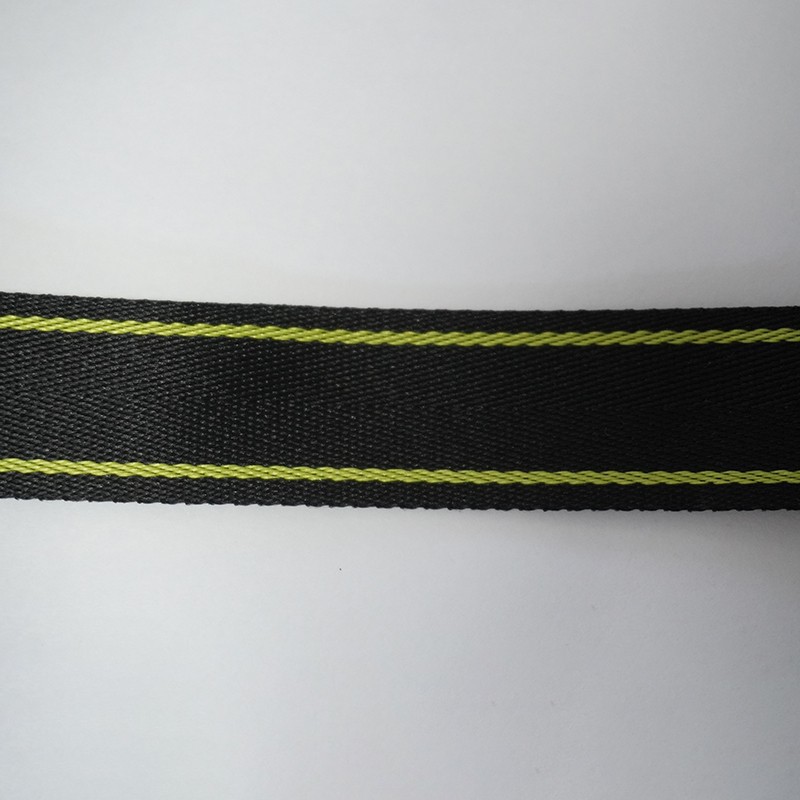
Polyester webbing is known for its high strength, durability, and resistance to abrasion and UV rays. It has a relatively high melting point and is less likely to stretch under load compared to polypropylene. This makes it ideal for heavy - duty applications where a secure hold is crucial, such as securing large machinery or heavy pallets during shipping. You can find a variety of options in our Multicolor Polyester Webbing collection.
On the other hand, polypropylene webbing is lightweight, cost - effective, and resistant to moisture. It's a great choice for lighter loads and applications where weight is a concern. Our 38mm Polypropylene Webbing is a popular option for many customers who need a reliable yet affordable solution for bundling and securing items.
Additionally, we also offer White Polyester Webbing, which is not only strong but also provides a clean and professional look. It's often used in applications where aesthetics are important, such as in the display of products or in high - end packaging.
Tools Required for Securing Items with Webbing Strapping
Apart from the webbing itself, you'll need a few tools to properly secure items. These include:
- Buckles: Buckles come in various types, such as ratchet buckles, cam buckles, and quick - release buckles. Ratchet buckles are the most commonly used for heavy - duty applications as they allow for easy tightening and adjusting of the strap tension. Cam buckles are simpler and more lightweight, suitable for lighter loads. Quick - release buckles are convenient when you need to quickly remove or adjust the strap.
- Cutters: A good pair of scissors or a specialized webbing cutter is essential for cutting the webbing to the desired length. Make sure the cutter is sharp to ensure a clean and straight cut.
- Sealers: If you want to prevent the webbing from fraying at the cut ends, a sealer can be used. There are heat sealers available for polyester webbing and glue - based sealers for polypropylene webbing.
Step - by - Step Guide to Securing Items with Webbing Strapping
Step 1: Measure the Item
The first step is to measure the item that you want to secure. This will help you determine the length of webbing needed. Make sure to add a few extra inches to allow for looping and adjusting the strap.
Step 2: Choose the Right Webbing and Buckle
Based on the weight and size of the item, choose the appropriate type of webbing and buckle. For heavy items, a wider and stronger polyester webbing with a ratchet buckle is recommended. For lighter items, polypropylene webbing with a cam buckle may suffice.

Step 3: Cut the Webbing
Using the cutter, carefully cut the webbing to the measured length. Ensure a clean cut to avoid any fraying during use.
Step 4: Attach the Buckle
If you're using a ratchet buckle, thread one end of the webbing through the buckle in the appropriate direction as indicated by the manufacturer. Make sure the webbing is flat and not twisted. For cam buckles, simply slide the webbing through the buckle until it fits snugly.
Step 5: Loop the Webbing Around the Item
Place the webbed strap around the item you want to secure. Make sure the strap is positioned in a way that provides the most stable hold. For irregularly shaped items, you may need to create multiple loops or use additional straps.
Step 6: Tighten the Strap
If you're using a ratchet buckle, start turning the ratchet handle to tighten the strap. Keep turning until the strap is tight enough to hold the item securely but not so tight that it damages the item. For cam buckles, pull on the free end of the webbing to tighten it. You can adjust the tension by pulling more or less on the webbing.
Step 7: Secure the End
Once the strap is tightened, secure the free end of the webbing to prevent it from coming loose. For ratchet buckles, there is usually a mechanism to lock the ratchet in place. For cam buckles, you can tuck the end of the webbing under the strap to keep it in position.
Tips for Effective Securing
- Inspect the Webbing: Before using the webbing, check for any signs of damage, such as cuts, fraying, or weak spots. Damaged webbing should not be used as it may fail under load.
- Distribute the Load Evenly: When securing multiple items or a large item, make sure to distribute the load evenly across the webbing. This will prevent the strap from being over - stressed in one area.
- Use Padding: If the item is fragile or has sharp edges, use padding between the item and the webbing to prevent damage to both the item and the strap.
Applications of Webbing Strapping
Webbing strapping has a wide range of applications:
- Shipping and Logistics: It is commonly used to secure pallets, crates, and containers during shipping. The high - strength webbing ensures that the items remain in place during transit, reducing the risk of damage.
- Automotive and Transportation: In the automotive industry, webbing strapping is used to secure cargo in trucks, trailers, and vans. It can also be used for securing parts during manufacturing and transportation.
- Outdoor and Recreational: For camping, hiking, and other outdoor activities, webbing strapping can be used to secure tents, backpacks, and equipment. Its lightweight and durable nature make it a popular choice for outdoor enthusiasts.
- DIY and Home Projects: At home, webbing strapping can be used for various purposes, such as bundling firewood, securing garden equipment, or even creating custom furniture.
Contact for Purchasing
If you're interested in purchasing high - quality webbing for your strapping needs, whether it's the Multicolor Polyester Webbing, White Polyester Webbing, or 38mm Polypropylene Webbing, feel free to reach out to our sales team. We can provide you with detailed product information, pricing, and any technical support you may need. Our goal is to help you find the perfect webbing solution for your specific application.
References
- "Webbing Strapping: A Comprehensive Guide", Industry Publications, 2022.
- "Materials and Applications of Webbing in Modern Industries", Journal of Industrial Materials, 2021.