


In the world of textiles, nylon webbing stands out as a versatile and durable material. It's used in a wide range of applications, from outdoor gear and automotive parts to fashion accessories. However, one of the challenges with nylon webbing is its susceptibility to water. As a nylon webbing supplier, I understand the importance of making our products more waterproof to meet the diverse needs of our customers. In this blog post, I'll share some effective ways to enhance the waterproof properties of nylon webbing.
Understanding the Basics of Nylon Webbing
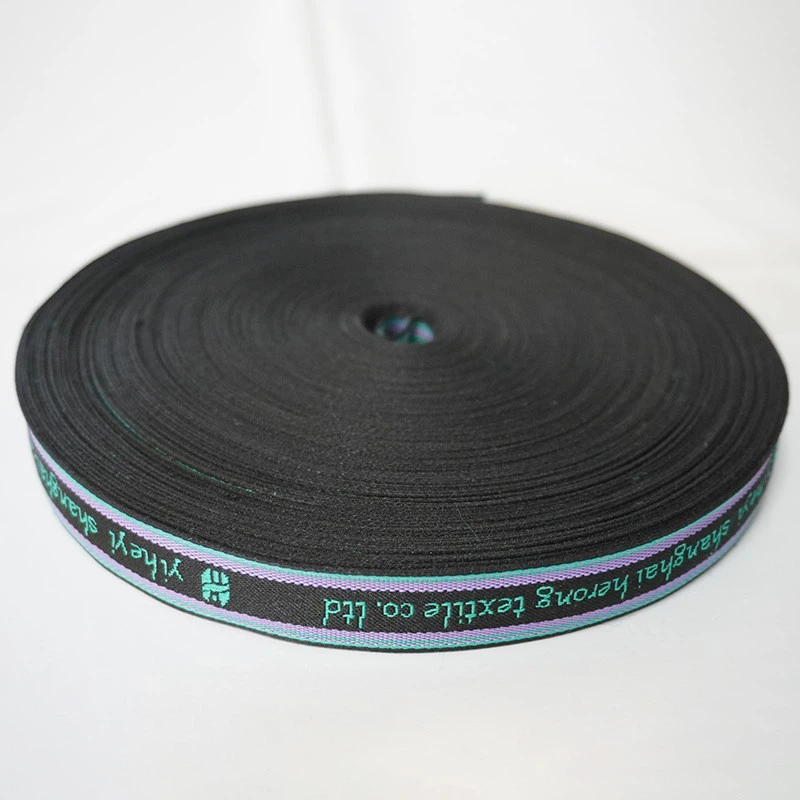
Before we dive into the waterproofing methods, let's briefly understand what nylon webbing is. Nylon is a synthetic polymer known for its strength, abrasion resistance, and elasticity. Nylon webbing is made by weaving nylon fibers together to form a flat, ribbon-like material. It comes in various widths, thicknesses, and colors, and can be customized with different patterns, such as Jacquard Nylon Webbing.
While nylon is inherently water-resistant to some extent, it can absorb water over time, which can lead to several issues. Water absorption can weaken the webbing, cause it to stretch or shrink, and promote the growth of mold and mildew. Therefore, it's crucial to take steps to make nylon webbing more waterproof.
Coating Techniques
One of the most common ways to make nylon webbing waterproof is through coating. Coating involves applying a layer of waterproof material to the surface of the webbing. There are several types of coatings available, each with its own advantages and disadvantages.
Polyurethane (PU) Coating
Polyurethane is a popular choice for waterproofing nylon webbing. It forms a thin, flexible layer on the surface of the webbing that effectively repels water. PU coatings are also resistant to abrasion, chemicals, and UV rays, making them suitable for outdoor applications.
To apply a PU coating, the webbing is first cleaned and dried to remove any dirt or contaminants. Then, the coating is applied using a roller, spray gun, or dip-coating method. After application, the webbing is cured at a specific temperature to ensure that the coating adheres properly.
Silicone Coating
Silicone coatings are another option for waterproofing nylon webbing. Silicone is a non-toxic, flexible material that provides excellent water repellency. It also has good resistance to high and low temperatures, making it suitable for use in extreme environments.
Silicone coatings can be applied in a similar way to PU coatings. However, they may require a longer curing time and may be more expensive. On the other hand, silicone-coated webbing tends to have a smoother surface and may be more comfortable to handle.
Wax Coating
Wax coating is a traditional method of waterproofing textiles, including nylon webbing. Wax is a natural, biodegradable material that provides good water repellency. It also adds a certain degree of flexibility and softness to the webbing.
To apply a wax coating, the webbing is first heated to a specific temperature to open up the pores of the nylon fibers. Then, the wax is melted and applied to the webbing using a brush or roller. The webbing is then cooled to allow the wax to solidify.

Laminating
Laminating is another effective way to make nylon webbing waterproof. Laminating involves bonding a waterproof film or membrane to the surface of the webbing. This creates a barrier that prevents water from penetrating the webbing.
There are several types of films and membranes available for laminating, including polyethylene, polypropylene, and polyester. Each type of film has its own properties and characteristics, so it's important to choose the one that best suits your needs.
To laminate nylon webbing, the webbing and the film are first aligned and then bonded together using heat and pressure. The bonding process can be done using a laminating machine or a hot press. After lamination, the edges of the webbing are usually sealed to prevent water from seeping in.
Treatment with Waterproofing Agents
In addition to coating and laminating, nylon webbing can also be treated with waterproofing agents. Waterproofing agents are chemicals that are designed to repel water and prevent it from being absorbed by the webbing.
There are several types of waterproofing agents available, including fluoropolymers, silicones, and waxes. These agents can be applied to the webbing using a spray, dip, or immersion method. After application, the webbing is usually dried and cured to ensure that the waterproofing agent adheres properly.
One of the advantages of using waterproofing agents is that they can be applied to existing webbing without the need for additional equipment or processes. However, the effectiveness of waterproofing agents may vary depending on the type of agent used and the quality of the webbing.
Design Considerations
In addition to the above methods, there are also some design considerations that can help make nylon webbing more waterproof. For example, using a tight weave can reduce the amount of water that can penetrate the webbing. A tight weave also makes the webbing more resistant to abrasion and tearing.
Another design consideration is the use of double or triple stitching. Double or triple stitching can help prevent water from seeping through the seams of the webbing. It also adds strength and durability to the webbing.
Finally, choosing the right width and thickness of the webbing can also affect its waterproof properties. Thicker webbing generally has better water resistance than thinner webbing. However, it's important to balance the thickness of the webbing with its weight and flexibility.
Maintenance and Care
Once nylon webbing has been made waterproof, it's important to take proper care of it to maintain its waterproof properties. Here are some tips for maintaining and caring for waterproof nylon webbing:
- Clean regularly: Regular cleaning can help remove dirt, debris, and other contaminants that can reduce the effectiveness of the waterproofing. Use a mild detergent and warm water to clean the webbing, and avoid using harsh chemicals or abrasive cleaners.
- Dry thoroughly: After cleaning, make sure to dry the webbing thoroughly before storing it. Moisture can promote the growth of mold and mildew, which can damage the webbing and reduce its waterproof properties.
- Store properly: Store the webbing in a dry, cool place away from direct sunlight. Exposure to sunlight can cause the webbing to fade and weaken over time.
- Reapply waterproofing treatment as needed: Over time, the waterproofing treatment on the webbing may wear off. Therefore, it's important to reapply the treatment as needed to maintain its waterproof properties.
Conclusion
Making nylon webbing more waterproof is essential for ensuring its performance and durability in various applications. By using the methods and techniques discussed in this blog post, you can effectively enhance the waterproof properties of nylon webbing. Whether you're a manufacturer, distributor, or end-user, we're here to provide you with high-quality 1 Inch Nylon Webbing and Jacquard Nylon Webbing that meet your specific requirements.
If you're interested in learning more about our nylon webbing products or have any questions about waterproofing, please don't hesitate to contact us. We'd be happy to discuss your needs and provide you with a customized solution.
References
- Smith, J. (2020). Textile Waterproofing: Principles and Applications. New York: Wiley.
- Brown, A. (2019). The Science of Nylon: Properties and Uses. London: Elsevier.
- Green, C. (2018). Waterproofing Techniques for Outdoor Gear. Seattle: Mountaineers Books.