


When it comes to sewing knitted elastic, selecting the right needle is crucial for achieving a professional and durable finish. As a supplier of knitted elastic, I understand the importance of this seemingly small yet significant detail. In this blog post, I'll share insights on choosing the appropriate needle for sewing knitted elastic, ensuring that your projects turn out just the way you envision.
Understanding Knitted Elastic
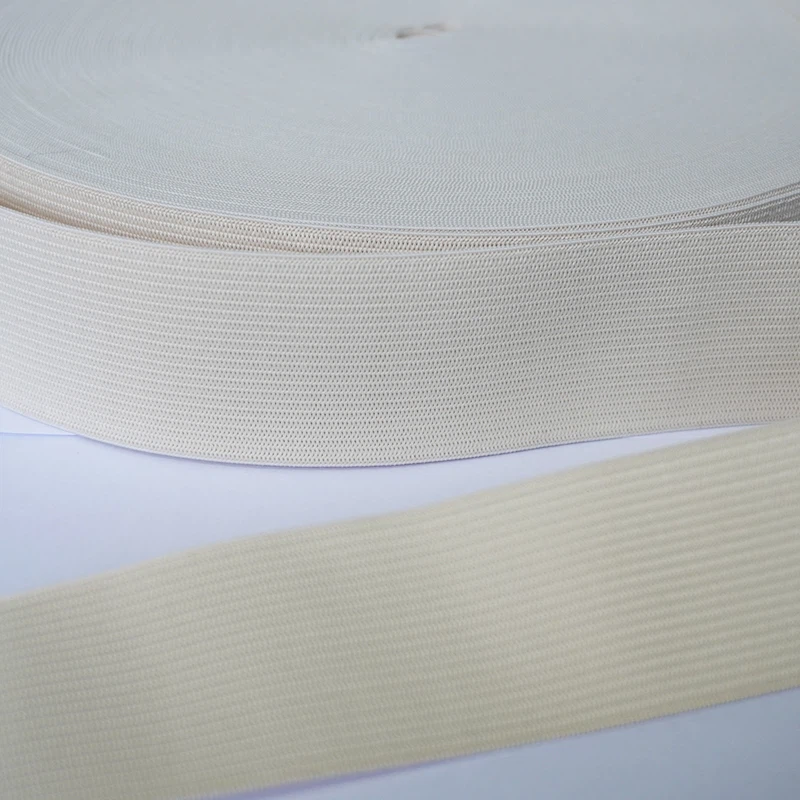
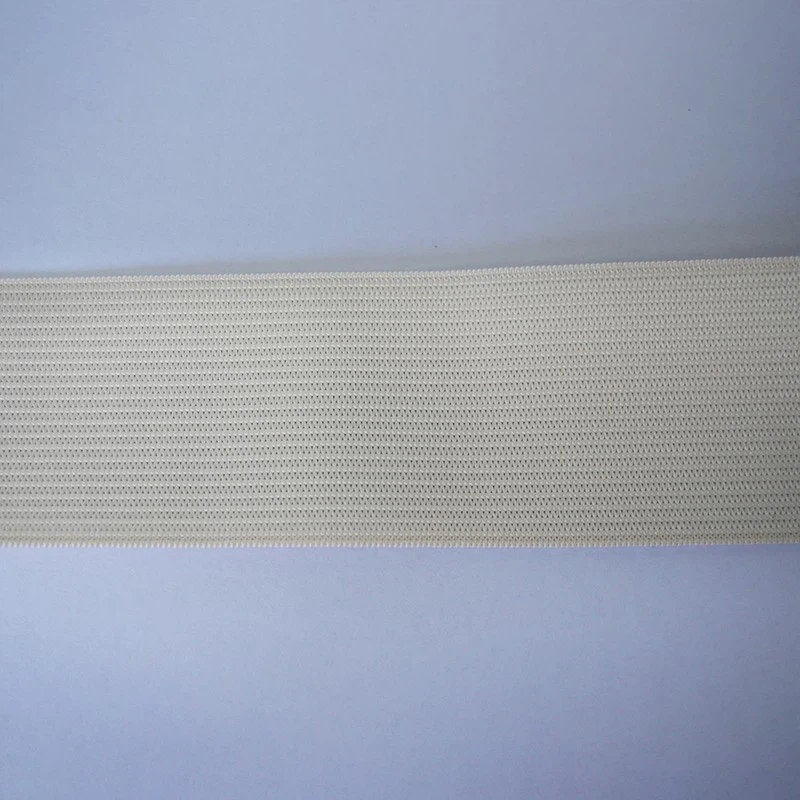
Before delving into needle selection, it's essential to understand the nature of knitted elastic. Knitted elastic is made by interlocking yarns in a knitted pattern, which gives it its stretch and flexibility. Unlike woven elastic, which has a more structured and less stretchy composition, knitted elastic can stretch in multiple directions, making it ideal for a variety of applications, such as waistbands, cuffs, and lingerie.
The unique properties of knitted elastic also mean that it requires special handling when sewing. Using the wrong needle can result in issues such as skipped stitches, broken threads, or damage to the elastic itself. Therefore, choosing the right needle is key to ensuring a smooth and successful sewing process.
Factors to Consider When Choosing a Needle
Several factors should be taken into account when selecting a needle for sewing knitted elastic. These include the thickness of the elastic, the type of fabric it will be attached to, and the sewing machine being used.
Needle Size
The size of the needle is one of the most important factors to consider. Needle sizes are typically indicated by a number, with larger numbers representing thicker needles. For sewing knitted elastic, a medium to fine needle size is generally recommended. A size 70/10 or 80/12 needle is often suitable for most types of knitted elastic. However, if you're working with a particularly thick or heavy elastic, you may need to use a larger needle size, such as a 90/14.
Needle Type
In addition to size, the type of needle is also crucial. There are several types of needles available, each designed for specific sewing tasks. When sewing knitted elastic, a ballpoint or stretch needle is usually the best choice.
- Ballpoint Needles: Ballpoint needles have a rounded tip that slides between the fibers of the fabric rather than piercing them. This makes them ideal for sewing stretchy fabrics, such as knitted elastic, as they minimize the risk of snagging or damaging the elastic. Ballpoint needles are available in a range of sizes and are suitable for both hand and machine sewing.
- Stretch Needles: Stretch needles are specifically designed for sewing stretchy fabrics. They have a special design that allows them to penetrate the fabric smoothly and evenly, reducing the risk of skipped stitches and broken threads. Stretch needles are available in both regular and fine sizes and are a popular choice for sewing knitted elastic.
Fabric Compatibility
The type of fabric the knitted elastic will be attached to is another important consideration. If you're sewing the elastic to a lightweight or delicate fabric, such as silk or chiffon, you'll need to use a finer needle to avoid damaging the fabric. On the other hand, if you're attaching the elastic to a heavyweight or thick fabric, such as denim or canvas, a larger needle may be required.
Sewing Machine Compatibility
Finally, it's important to ensure that the needle you choose is compatible with your sewing machine. Different sewing machines require different types and sizes of needles, so it's essential to consult your sewing machine's manual or a professional sewing expert to determine the appropriate needle for your machine.
Recommended Needles for Sewing Knitted Elastic
Based on my experience as a knitted elastic supplier, I recommend the following needles for sewing knitted elastic:
- Schmetz Ballpoint Needles: Schmetz is a well-known brand of sewing needles that offers a range of ballpoint needles suitable for sewing knitted elastic. Their ballpoint needles are available in sizes 70/10, 80/12, and 90/14, making them suitable for a variety of elastic thicknesses.
- Organ Stretch Needles: Organ is another reputable brand that offers high-quality stretch needles. Their stretch needles are designed to provide smooth and even stitching on stretchy fabrics, making them an excellent choice for sewing knitted elastic. Organ stretch needles are available in sizes 70/10, 80/12, and 90/14.
Tips for Sewing Knitted Elastic
In addition to choosing the right needle, there are several other tips and techniques that can help you achieve a professional and durable finish when sewing knitted elastic.
Use the Right Thread
The type of thread you use is just as important as the needle. When sewing knitted elastic, it's recommended to use a stretchy thread, such as a polyester or nylon thread. Stretchy threads are designed to stretch along with the elastic, reducing the risk of the stitches breaking or popping.
Adjust the Sewing Machine Settings
Before sewing the elastic, it's important to adjust the settings on your sewing machine. This includes setting the stitch length and tension to the appropriate level for the elastic and fabric you're using. A shorter stitch length is generally recommended for sewing knitted elastic, as it helps to prevent the stitches from pulling out.
Pin the Elastic in Place
To ensure that the elastic is sewn evenly and accurately, it's a good idea to pin it in place before sewing. Use straight pins to hold the elastic in place along the edge of the fabric, making sure to leave a small amount of slack to allow for stretching.
Sew Slowly and Carefully
When sewing the elastic, it's important to sew slowly and carefully to avoid skipping stitches or breaking the thread. Use a backstitch at the beginning and end of each seam to secure the stitches and prevent them from unraveling.
Conclusion
Choosing the right needle for sewing knitted elastic is essential for achieving a professional and durable finish. By considering factors such as needle size, type, fabric compatibility, and sewing machine compatibility, you can select the appropriate needle for your project. Additionally, following tips such as using the right thread, adjusting the sewing machine settings, pinning the elastic in place, and sewing slowly and carefully can help you achieve the best results.
If you're in the market for high-quality knitted elastic, I invite you to explore our range of products. We offer a variety of knitted elastic options, including Colorful Crochet Elastic, 424 Crochet Elastic, and 378 Crochet Elastic. Our elastic is made from high-quality materials and is available in a range of colors and widths to suit your needs.
If you have any questions or would like to discuss your specific requirements, please don't hesitate to contact us. We're here to help you find the perfect knitted elastic for your project and provide you with the support and guidance you need to achieve the best results.
References
- Singer Sewing Machine Company. (n.d.). Needle Selection Guide. Retrieved from https://www.singerco.com/sewing-resources/needle-selection-guide
- Prym. (n.d.). Needle Guide. Retrieved from https://www.prym.com/en/needle-guide
- Threads Magazine. (n.d.). Choosing the Right Needle for Your Sewing Project. Retrieved from https://www.threadsmagazine.com/techniques/choosing-the-right-needle-for-your-sewing-project