


Twill elastic is a versatile and commonly used material in various industries, including fashion, apparel, and home decor. Its durability is a crucial factor that determines its performance and longevity. As a twill elastic supplier, I understand the importance of providing high - quality and long - lasting products to our customers. In this blog, I will share some effective ways to make twill elastic more durable.
1. Material Selection
The first step in ensuring the durability of twill elastic is to start with high - quality raw materials. The yarns used in twill elastic play a significant role in its strength and longevity.
High - Quality Fibers
Opt for fibers that have good tensile strength and resistance to wear and tear. Polyester and nylon are popular choices for twill elastic. Polyester fibers are known for their excellent resistance to stretching, shrinking, and wrinkling. They also have good colorfastness, which means the elastic will retain its color over time. Nylon, on the other hand, is extremely strong and abrasion - resistant. It can withstand a high level of stress without breaking or fraying.
Elastic Core
The elastic core of the twill elastic is what gives it the stretch and recovery properties. A high - quality elastic core made from natural rubber or synthetic elastomers can enhance the durability of the twill elastic. Natural rubber provides excellent elasticity and resilience, but it may be more susceptible to degradation over time, especially when exposed to heat, light, and chemicals. Synthetic elastomers, such as spandex or Lycra, offer similar elasticity with better resistance to environmental factors.
2. Manufacturing Process
The manufacturing process of twill elastic also has a significant impact on its durability.
Weaving Technique
The twill weave pattern itself is known for its strength and durability. However, the quality of the weaving process can further enhance these properties. A tight and uniform weave ensures that the yarns are well - interlocked, preventing them from slipping or unraveling. Advanced weaving machines can produce twill elastic with a consistent density and structure, which improves its overall strength.
Heat Setting
Heat setting is an important step in the manufacturing process of twill elastic. It helps to stabilize the elastic core and set the shape of the twill weave. Proper heat setting can improve the elastic's recovery properties and prevent it from losing its stretch over time. The temperature and duration of the heat - setting process need to be carefully controlled to ensure optimal results.
Coating and Finishing
Applying a protective coating or finish to the twill elastic can enhance its durability. A coating can provide a barrier against moisture, chemicals, and abrasion. For example, a silicone coating can improve the water - repellency of the elastic, making it suitable for outdoor applications. A polymer finish can increase the abrasion resistance and prevent the yarns from fraying.
3. Storage and Handling
Proper storage and handling of twill elastic are essential to maintain its durability.
Storage Conditions
Twill elastic should be stored in a cool, dry place away from direct sunlight and heat sources. Exposure to high temperatures can cause the elastic core to degrade, leading to a loss of elasticity. Moisture can also promote the growth of mold and mildew, which can damage the yarns. It is recommended to store twill elastic in sealed containers or bags to protect it from dust and contaminants.

Handling Precautions
When handling twill elastic, care should be taken to avoid excessive stretching, twisting, or knotting. These actions can weaken the yarns and cause the elastic to break or lose its shape. It is also important to use sharp scissors or cutters when cutting the elastic to ensure a clean cut and prevent fraying.
4. Application Considerations
The way twill elastic is used in different applications can also affect its durability.
Correct Tension
When using twill elastic in a product, it is important to apply the correct tension. Over - stretching the elastic can cause it to lose its elasticity and break prematurely. On the other hand, under - stretching the elastic may not provide the desired function. Manufacturers should follow the recommended tension guidelines for each specific application.
Compatibility with Other Materials
Twill elastic may come into contact with other materials in a product. It is important to ensure that the elastic is compatible with these materials to avoid chemical reactions or abrasion. For example, if the elastic is used in a garment, it should not cause any color bleeding or damage to the fabric.
5. Regular Maintenance
Regular maintenance can extend the lifespan of twill elastic.
Cleaning
If the twill elastic gets dirty, it should be cleaned properly. Mild detergents and lukewarm water can be used to clean the elastic. Avoid using harsh chemicals or abrasive cleaners, as they can damage the yarns and the elastic core. After cleaning, the elastic should be rinsed thoroughly and air - dried.
Inspection
Periodically inspect the twill elastic for signs of wear and tear, such as fraying, thinning, or loss of elasticity. If any damage is detected, the elastic should be replaced promptly to prevent further problems.
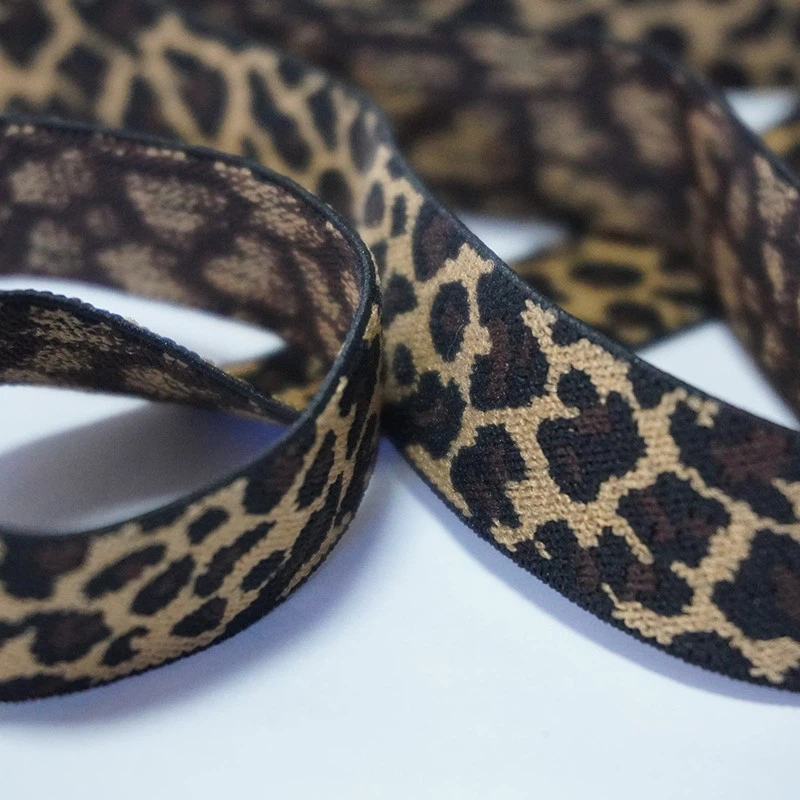
In addition to twill elastic, we also offer other types of elastic products, such as Embossed Elastic, Jacquard Elastic, and Leopard Print Elastic. These products are also manufactured with high - quality materials and advanced processes to ensure durability.
If you are interested in our twill elastic or other elastic products, we invite you to contact us for more information and to discuss your specific requirements. We are committed to providing you with the best - quality products and excellent customer service.
References
- Textile Chemistry and Fibre Science, Third Edition, by R. H. Peters
- Handbook of Fiber Science and Technology, Volume III: High - Technology Fibers, by Menachem Lewin and Eli M. Pearce