


When it comes to round ropes, there is a wide range of grades available, each with its own unique characteristics, applications, and performance capabilities. As a round rope supplier, I've had the privilege of working with various types of round ropes and understanding the diverse needs of our customers. In this blog, I'll explore the different grades of round ropes, shedding light on what sets them apart and how to choose the right one for your specific requirements.
Grade 1: Basic Utility Round Ropes
Basic utility round ropes are the entry - level option in the world of round ropes. These ropes are typically made from common materials such as natural fibers like cotton or synthetic fibers of lower quality.

Cotton Rope
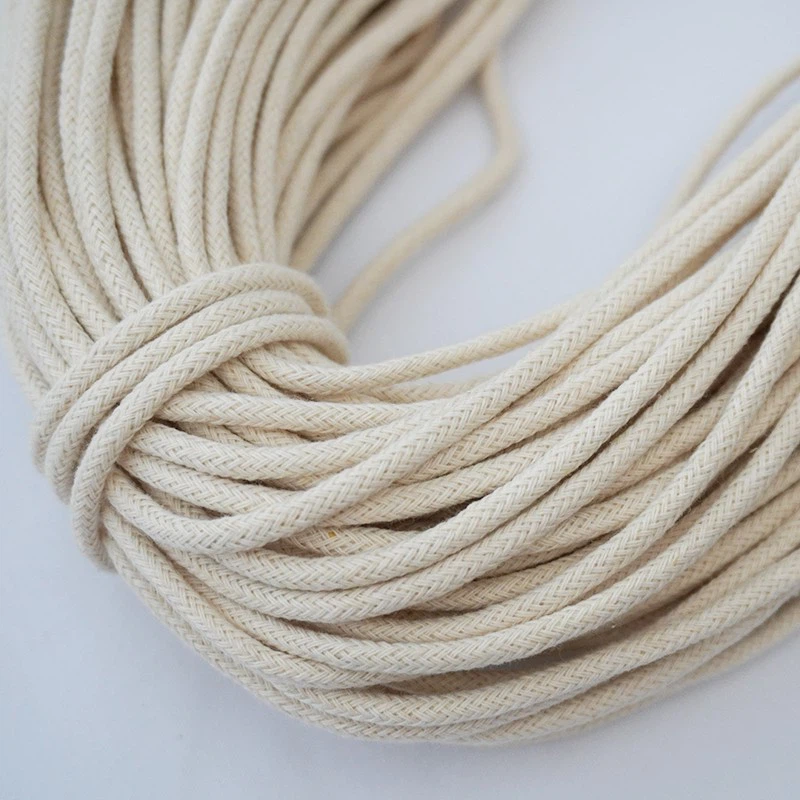
Cotton Rope is a classic example of a basic utility round rope. Cotton is a natural fiber that offers several advantages. It is soft to the touch, which makes it comfortable to handle, and it has a relatively low cost. Cotton ropes are often used in light - duty applications such as gardening, tying up small items, or for decorative purposes. They have a certain rustic charm and are biodegradable, which is an environmentally friendly aspect. However, cotton ropes have some limitations. They are not very resistant to moisture, and prolonged exposure to water can cause them to rot. Their strength is also relatively low compared to some synthetic ropes, making them unsuitable for heavy - duty lifting or high - stress applications.
Low - Quality Synthetic Utility Ropes
Some low - quality synthetic ropes also fall into the basic utility grade. These ropes are usually made from inexpensive polymers and may not have the same level of durability or strength as higher - grade synthetic ropes. They are often used for temporary or short - term applications where cost is a major factor, such as securing light loads during transportation or for makeshift ties in a home or workshop.
Grade 2: Intermediate - Performance Round Ropes
Intermediate - performance round ropes offer a step up in terms of quality and performance compared to basic utility ropes. They are designed to handle more demanding tasks while still being relatively affordable.
Polypropylene Round Ropes
Polypropylene is a popular material for intermediate - performance round ropes. These ropes are lightweight, float on water, and have good resistance to moisture, chemicals, and UV rays. Polypropylene ropes are commonly used in marine applications, such as mooring small boats, as well as in general outdoor work like camping and agricultural tasks. They have a moderate strength level, making them suitable for a variety of medium - duty applications. However, polypropylene ropes have a relatively low melting point, so they should not be used in applications where they may be exposed to high temperatures.
Some Nylon Blends
Certain nylon blends can also be considered intermediate - performance ropes. These ropes combine the strength of nylon with other fibers to achieve a balance between cost and performance. They are often used in applications where some strength is required, but the full - blown performance of pure nylon ropes is not necessary. For example, they can be used in construction sites for light lifting or in sports equipment for securing nets.
Grade 3: High - Performance Round Ropes
High - performance round ropes are designed for the most demanding applications where strength, durability, and reliability are of utmost importance.
Nylon Round Rope - New European Standard
Nylon Round Rope - New European Standard is a prime example of a high - performance round rope. Nylon is known for its exceptional strength, elasticity, and abrasion resistance. These ropes can withstand heavy loads and are commonly used in industries such as construction, mining, and offshore operations. The new European standard ensures that the ropes meet strict quality and safety requirements, providing users with confidence in their performance. Nylon ropes are also resistant to most chemicals and have a high melting point, making them suitable for a wide range of harsh environments.
Polyester Round Ropes
Polyester round ropes are another high - performance option. They have excellent dimensional stability, which means they do not stretch as much as nylon ropes under load. This property makes them ideal for applications where precise length control is required, such as in rigging for sailboats or in some industrial lifting operations. Polyester ropes also have good resistance to UV rays and moisture, making them suitable for long - term outdoor use.
Grade 4: Specialized and Technical Round Ropes
Specialized and technical round ropes are designed for very specific applications that require unique properties.
Kevlar and Aramid Ropes
Kevlar and aramid ropes are extremely strong and heat - resistant. They are often used in high - tech applications such as aerospace, defense, and high - performance sports. For example, in rock climbing, these ropes can provide an extra margin of safety due to their high strength - to - weight ratio. In the aerospace industry, they are used in applications where lightweight yet strong materials are needed.
Static and Dynamic Ropes for Climbing
In the climbing world, there are static and dynamic ropes. Static ropes are designed to have very low stretch, making them suitable for applications such as rappelling and hauling. Dynamic ropes, on the other hand, are designed to stretch under load to absorb the energy of a fall, providing a safer climbing experience. These ropes are engineered with precision to meet the strict safety requirements of the climbing community.
Choosing the Right Grade of Round Rope
When choosing a round rope, several factors need to be considered. First, consider the application. If you are using the rope for light - duty tasks around the house, a basic utility rope like Cotton Rope may be sufficient. For more demanding outdoor or industrial applications, an intermediate - or high - performance rope such as Nylon Round Rope - New European Standard would be a better choice.
Secondly, consider the environment in which the rope will be used. If the rope will be exposed to water, chemicals, or UV rays, choose a rope with appropriate resistance. For example, polypropylene ropes are a good choice for marine applications, while polyester ropes are better for long - term outdoor use.
Finally, consider the cost. While high - performance ropes offer better quality and durability, they also come with a higher price tag. It's important to find a balance between your budget and the performance requirements of your application.

Contact for Procurement and Consultation
If you're in the market for round ropes and need help choosing the right grade for your specific needs, don't hesitate to reach out. As a round rope supplier, we have a wide range of ropes in different grades and materials, including Cotton Rope, Nylon Round Rope - New European Standard, and Rope Round. Our team of experts is ready to provide you with professional advice and support to ensure you make the best choice for your project. We look forward to discussing your requirements and helping you find the perfect round rope solution.

References
- "Handbook of Rope Technology" - This comprehensive guide provides in - depth information on the different types of ropes, their materials, and applications.
- "Marine Rope Handbook" - A valuable resource for understanding ropes used in marine environments, including their performance characteristics and maintenance.
- Industry standards and specifications from organizations such as the American Society for Testing and Materials (ASTM) and the International Organization for Standardization (ISO), which provide guidelines for the quality and performance of ropes.