


As a supplier of Aramid Pattern Rope, I've witnessed firsthand the growing demand for high - performance ropes in various industries. One of the most frequently asked questions by our clients is about the fatigue resistance of Aramid Pattern Rope. In this blog, I'll delve into what fatigue resistance means in the context of ropes, why it's crucial, and how Aramid Pattern Rope fares in this aspect.
Understanding Fatigue Resistance in Ropes
Before we discuss the fatigue resistance of Aramid Pattern Rope, it's essential to understand what fatigue resistance means when it comes to ropes. Fatigue in ropes occurs when they are subjected to repeated stress over time. This stress can come from a variety of sources, such as constant tension, bending, abrasion, and exposure to environmental factors.
When a rope experiences fatigue, its internal structure begins to break down. The fibers that make up the rope start to fray, weaken, and eventually fail. Fatigue resistance, therefore, refers to a rope's ability to withstand these repeated stresses without significant degradation in its mechanical properties. A rope with high fatigue resistance will last longer, perform better, and require less frequent replacement, which can lead to cost savings in the long run.
Why Fatigue Resistance Matters
In many applications, ropes are used in situations where they are under continuous or intermittent stress. For example, in marine applications, ropes are used for mooring, towing, and rigging. These ropes are constantly exposed to the harsh marine environment, including saltwater, UV radiation, and strong winds. They also experience repeated tension and bending as the vessel moves and maneuvers.
In the construction industry, ropes are used for lifting, hoisting, and securing loads. These ropes are subjected to heavy loads and frequent movement, which can cause fatigue over time. If a rope fails due to fatigue, it can lead to serious safety hazards, such as dropped loads or structural failures.
In the aerospace industry, ropes are used in various applications, including parachute systems and aircraft tie - downs. These ropes need to be highly reliable and have excellent fatigue resistance to ensure the safety of the aircraft and its passengers.
Fatigue Resistance of Aramid Pattern Rope
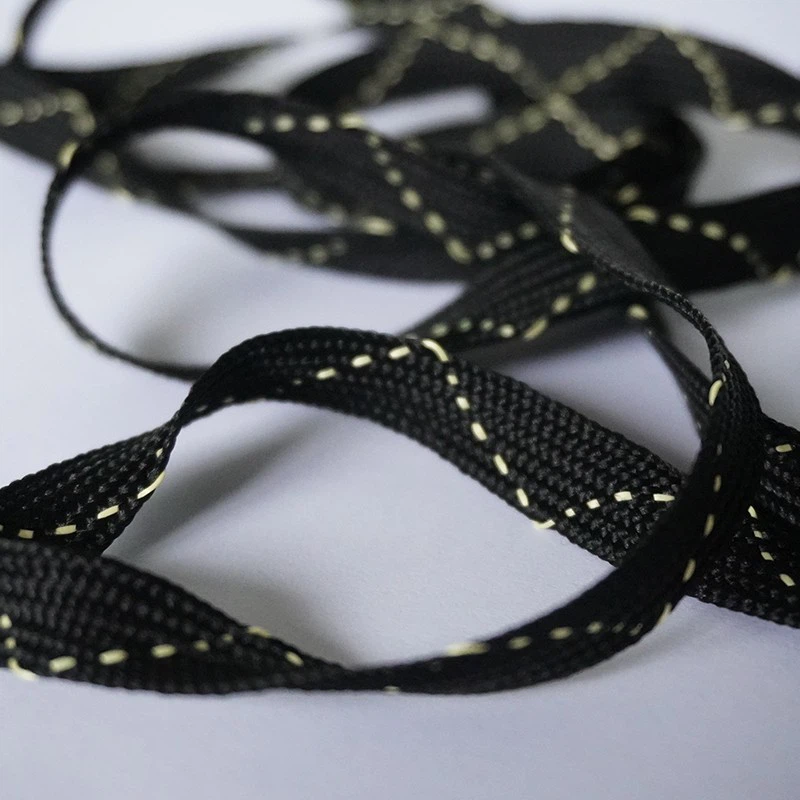
Aramid Pattern Rope is known for its exceptional fatigue resistance. Aramid fibers, the primary material used in these ropes, have unique properties that contribute to their high fatigue performance.
High Tensile Strength
Aramid fibers have a very high tensile strength, which means they can withstand a large amount of force without breaking. This high tensile strength allows Aramid Pattern Rope to handle heavy loads and repeated stress without experiencing significant deformation. When a rope is under tension, the aramid fibers distribute the load evenly across the rope, reducing the stress on individual fibers and preventing premature failure.
Low Creep
Creep is the gradual deformation of a material under a constant load over time. Aramid fibers have a very low creep rate, which means they maintain their shape and strength even when subjected to long - term stress. This property is crucial for ropes that are used in applications where they need to maintain a constant tension, such as in mooring lines or suspension bridges.
Excellent Abrasion Resistance
Abrasion is one of the main causes of rope fatigue. Aramid Pattern Rope has excellent abrasion resistance, which means it can withstand rubbing and scraping against rough surfaces without significant damage. The outer layer of the rope acts as a protective barrier, preventing the inner fibers from being exposed to abrasion. This helps to extend the lifespan of the rope and maintain its fatigue resistance.
Resistance to Chemicals and UV Radiation
Aramid fibers are also resistant to many chemicals and UV radiation. In harsh environments, such as the marine or industrial settings, ropes are often exposed to chemicals and sunlight. The resistance of Aramid Pattern Rope to these factors helps to prevent degradation of the fibers and maintain the rope's mechanical properties over time.
Comparing Aramid Pattern Rope with Other Ropes
To better understand the fatigue resistance of Aramid Pattern Rope, it's useful to compare it with other types of ropes, such as Nylon Rope and Polyester Rope.
Nylon Rope
Nylon rope is known for its high elasticity and shock - absorbing properties. However, it has a relatively low fatigue resistance compared to Aramid Pattern Rope. Nylon fibers are more prone to creep and abrasion, which can lead to premature failure under repeated stress. Nylon rope also absorbs water, which can further reduce its strength and fatigue performance in wet environments.
Polyester Rope
Polyester rope has good abrasion resistance and is resistant to UV radiation and many chemicals. However, its tensile strength and fatigue resistance are not as high as those of Aramid Pattern Rope. Polyester rope may experience more deformation under heavy loads and repeated stress, which can lead to a shorter lifespan.
Applications of Aramid Pattern Rope
Due to its excellent fatigue resistance, Aramid Pattern Rope is used in a wide range of applications.
Marine Applications
In the marine industry, Aramid Pattern Rope is used for mooring lines, towing ropes, and rigging. The high fatigue resistance of the rope ensures that it can withstand the harsh marine environment and the repeated stress caused by the movement of the vessel. This reduces the risk of rope failure and improves the safety of the vessel and its crew.
Aerospace Applications
In the aerospace industry, Aramid Pattern Rope is used in parachute systems, aircraft tie - downs, and other applications where high reliability and fatigue resistance are required. The rope's ability to maintain its strength and performance under repeated stress is crucial for ensuring the safety of the aircraft and its passengers.

Industrial Applications
In industrial settings, Aramid Pattern Rope is used for lifting, hoisting, and securing loads. The high fatigue resistance of the rope allows it to handle heavy loads and frequent movement without significant degradation, reducing the need for frequent rope replacement and improving productivity.
Contact for Procurement
If you're interested in learning more about the fatigue resistance of Aramid Pattern Rope or are looking to purchase high - quality ropes for your specific application, I encourage you to reach out. We have a team of experts who can provide you with detailed information and guidance on choosing the right rope for your needs. Whether you're in the marine, aerospace, or industrial sector, our Aramid Pattern Rope can offer you the performance and reliability you require.
References
- "Handbook of Fiber Rope Technology" by David A. McGlinchey
- "Materials Science and Engineering: An Introduction" by William D. Callister Jr. and David G. Rethwisch