


What is the texture of knitted elastic?

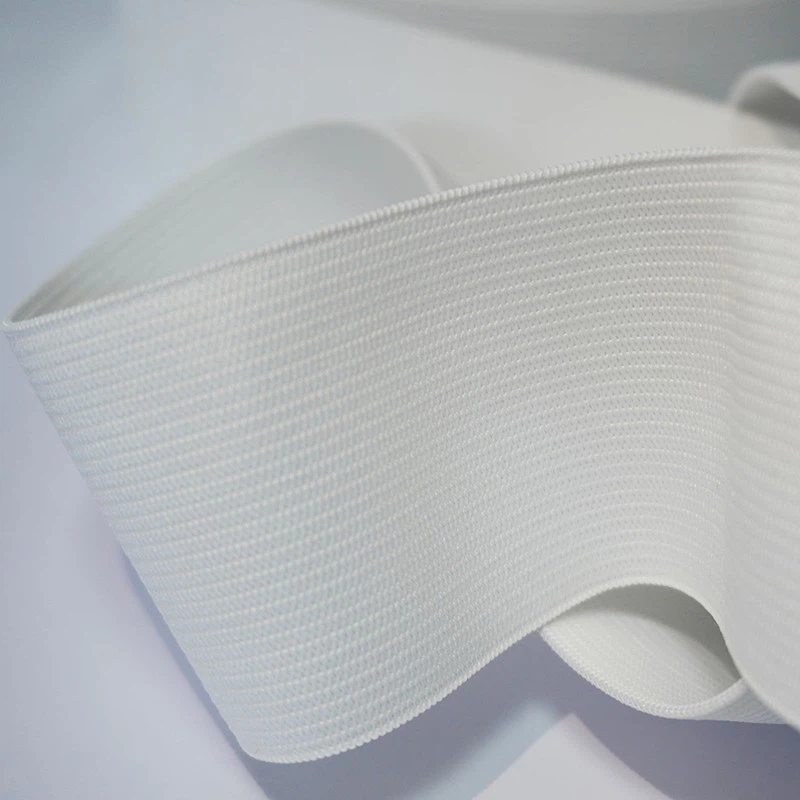
As a long - standing supplier of knitted elastic, I've had the privilege of delving deep into the nuances of this remarkable material. Knitted elastic is a versatile product with a texture that sets it apart in various industries, from fashion to healthcare. In this blog, we'll explore the texture of knitted elastic, its characteristics, and how it impacts different applications.
Understanding the Basics of Knitted Elastic
Knitted elastic is created through a knitting process, which involves interlocking loops of yarn. This method is distinct from weaving, where two sets of yarns are crossed over each other. The knitting technique gives knitted elastic its unique stretch and recovery properties.
The texture of knitted elastic is primarily defined by its softness, flexibility, and elasticity. When you run your fingers over a piece of knitted elastic, you'll notice a smooth yet slightly textured surface. This texture is a result of the individual yarn loops that make up the fabric. Unlike some woven elastics that can have a stiffer, more rigid feel, knitted elastic is often more supple and conformable.
Softness and Comfort
One of the most notable aspects of the texture of knitted elastic is its softness. This makes it an ideal choice for applications where comfort is a priority. In the fashion industry, knitted elastic is commonly used in underwear, lingerie, and sportswear. For example, in underwear, the soft texture of the elastic won't cause irritation or chafing against the skin. It molds gently to the body's curves, providing a snug fit without sacrificing comfort.
In the healthcare sector, knitted elastic is used in products such as compression stockings and bandages. The soft texture ensures that these medical devices can be worn for extended periods without causing discomfort to the patient. It also allows for better blood circulation as it doesn't constrict the body too tightly.
Flexibility and Stretch
Another key characteristic of the texture of knitted elastic is its flexibility and stretch. Knitted elastic can stretch in multiple directions, which is a significant advantage over some other types of elastics. This multi - directional stretchability makes it suitable for applications where the material needs to adapt to different movements.
In sportswear, for instance, the flexibility of knitted elastic allows athletes to move freely without any restrictions. Whether it's a running shorts' waistband or the cuffs of a compression top, the elastic can stretch and recover as the athlete bends, jumps, and twists. This property also makes knitted elastic a popular choice for children's clothing. Kids are constantly on the move, and the elastic in their clothes needs to keep up with their active lifestyles.
Durability and Resilience
Despite its softness and flexibility, knitted elastic is also quite durable. The texture of the knitted fabric gives it the ability to withstand repeated stretching and pulling without losing its shape or elasticity. This durability is crucial in applications where the elastic is subjected to frequent use.
In home furnishings, such as curtains and pillowcases, knitted elastic can be used to create a gathered or ruffled effect. Over time, as the curtains are opened and closed or the pillows are fluffed, the elastic maintains its shape and continues to provide the desired aesthetic.
Different Types of Knitted Elastic and Their Textures
There are several types of knitted elastic, each with its own unique texture. For example, Colorful Crochet Elastic has a more intricate and decorative texture compared to plain knitted elastic. The crochet technique adds a three - dimensional quality to the elastic, making it suitable for use in craft projects, such as handmade jewelry or hair accessories.
The 376 Crochet Elastic and 378 Crochet Elastic also have their distinct textures. These crocheted elastics often have a tighter and more structured feel, which can be used in applications where a more defined shape is required. For example, they can be used in the construction of bags or as trim on garments.
Impact of Texture on Manufacturing and Design
The texture of knitted elastic also has a significant impact on the manufacturing and design processes. In the production of knitted elastic, the texture can affect how the material is dyed, printed, or finished. For example, a smoother texture may allow for more even dye absorption, resulting in a more consistent color.
From a design perspective, the texture of the elastic can be used to create different visual and tactile effects. Designers can choose a knitted elastic with a particular texture to enhance the overall look and feel of a product. A rough - textured elastic can add a rustic or edgy touch to a piece of clothing, while a smooth - textured elastic can give a more refined and elegant appearance.
Conclusion
In conclusion, the texture of knitted elastic is a complex and multi - faceted characteristic that plays a crucial role in its various applications. Its softness, flexibility, stretch, durability, and the unique textures of different types make it a highly versatile material. Whether you're in the fashion, healthcare, or craft industry, knitted elastic offers a range of benefits that are hard to match.
If you're interested in sourcing high - quality knitted elastic for your business, we'd love to have a discussion with you. Our team of experts can help you choose the right type of knitted elastic based on your specific requirements. Contact us to start a procurement conversation and discover how our knitted elastic can enhance your products.
References
- Textile Institute. (20XX). Handbook of Textile Fibre Structure.
- Fashion Industry Journal. (20XX). Trends in Elastic Use in Apparel.
- Medical Device Technology. (20XX). Compression Garments and Elastic Materials.