


Can flat ropes be used for kite flying? Well, that's a question I get asked a lot as a flat rope supplier. And the answer is a resounding yes! Flat ropes can be a great choice for kite flying, and in this blog post, I'm gonna break down why.
Advantages of Flat Ropes for Kite Flying
First off, let's talk about the benefits of using flat ropes when you're out flying a kite. One of the biggest advantages is their low drag. Unlike round ropes, flat ropes have a flatter profile, which means they cut through the air more smoothly. This is super important when you're flying a kite because less drag means your kite can soar higher and more efficiently. You won't have to fight against the wind as much to keep your kite up in the sky.
Another great thing about flat ropes is their flexibility. They can bend and twist easily without kinking or tangling. This is crucial when you're dealing with the constant movement and tension changes that come with kite flying. You don't want to be out in the field, struggling to untangle a mess of rope every few minutes. With a flat rope, you can focus on enjoying the flight of your kite.
Flat ropes also tend to be very strong for their weight. This is important because you need a rope that can handle the force of the wind pulling on your kite. Whether you're flying a small, lightweight kite or a large, high - performance one, a good flat rope can provide the necessary strength without being overly heavy. This means you can keep your setup balanced and your kite flying smoothly.
Types of Flat Ropes Suitable for Kite Flying
Now, let's take a look at some of the different types of flat ropes that are suitable for kite flying.
Aramid Pattern Rope
One option is the Aramid Pattern Rope. Aramid is a synthetic fiber known for its high strength and heat resistance. This type of rope is extremely durable and can withstand a lot of wear and tear. It's also very lightweight, which is a big plus when you're flying a kite. The pattern on the rope not only looks cool but can also help with grip, making it easier to hold onto the rope while your kite is in the air.
Nylon Rope
Nylon Rope is another popular choice. Nylon is a strong and elastic material. The elasticity of nylon can be an advantage when flying a kite because it can absorb some of the shock when the kite catches a gust of wind. This helps to prevent the rope from breaking under sudden stress. Nylon ropes are also relatively inexpensive, making them a great option for beginners or those on a budget.
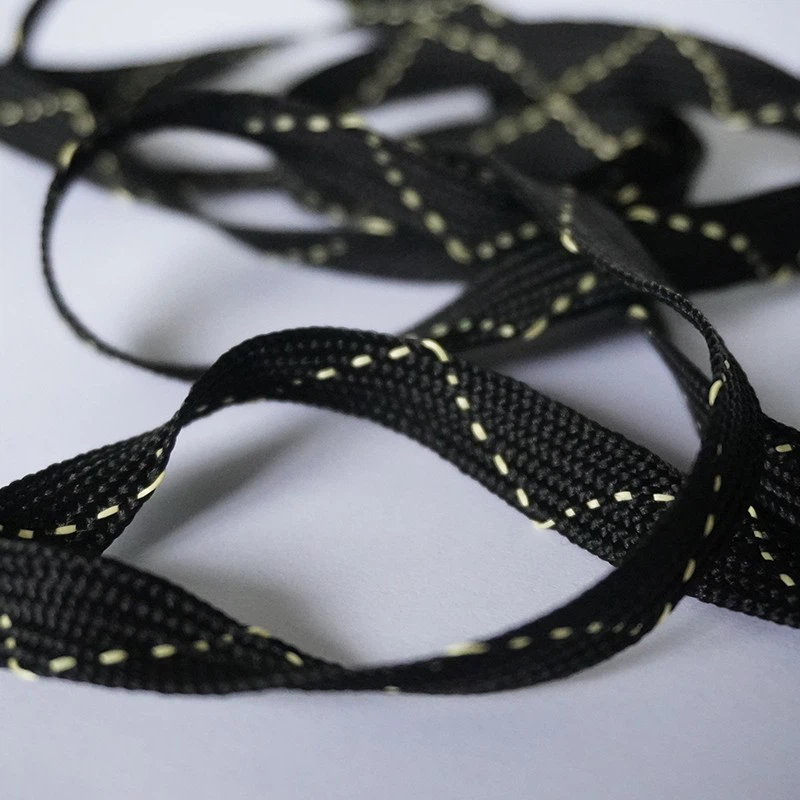

Polyester Rope
Polyester Rope is also worth considering. Polyester is resistant to UV rays, water, and chemicals. This means that your rope will last longer, even if it's exposed to the elements. It has a high strength - to - weight ratio, so it can handle the force of the wind without being too heavy. Polyester ropes are also very smooth, which can reduce friction and make it easier to reel in and let out your kite.
Considerations When Using Flat Ropes for Kite Flying
While flat ropes have many advantages for kite flying, there are a few things to keep in mind.
One thing to consider is the length of the rope. You'll want to choose a length that's appropriate for the size of your kite and the flying conditions. If the rope is too short, your kite won't have enough room to reach its full potential. On the other hand, if it's too long, it can be difficult to control and may even get tangled more easily.
The thickness of the rope is also important. A thicker rope will generally be stronger, but it will also be heavier and may create more drag. You'll need to find a balance between strength and weight based on the size and type of kite you're flying.
It's also a good idea to inspect your rope regularly for any signs of wear or damage. Even the strongest ropes can start to fray or weaken over time, especially if they're exposed to harsh conditions. If you notice any problems with your rope, it's best to replace it before it breaks and you lose your kite.
How to Choose the Right Flat Rope for Your Kite
So, how do you go about choosing the right flat rope for your kite?
First, think about the size and type of kite you have. A small, simple kite may not require as strong or thick a rope as a large, high - performance kite. If you're flying a lightweight kite in calm winds, a thinner, more flexible rope may be sufficient. But if you're flying a large kite in strong winds, you'll need a thicker, stronger rope.
Consider the flying conditions as well. If you're flying in an area with a lot of obstacles or where the wind can be unpredictable, you may want a rope with good grip and flexibility. On the other hand, if you're flying in an open field with consistent winds, you can focus more on the strength and durability of the rope.
Finally, think about your budget. There are flat ropes available at a wide range of prices, from inexpensive nylon ropes to more expensive aramid ropes. You don't necessarily need to buy the most expensive rope on the market, but you do want to invest in a quality rope that will last.
Conclusion
In conclusion, flat ropes can definitely be used for kite flying, and they offer many advantages over other types of ropes. Whether you're a beginner or an experienced kite flyer, a good flat rope can enhance your kite - flying experience. With options like the Aramid Pattern Rope, Nylon Rope, and Polyester Rope, you can find the perfect rope for your needs.
If you're interested in purchasing flat ropes for kite flying or have any questions about our products, feel free to reach out. We're here to help you find the right rope and make your kite - flying adventures even more enjoyable.
References
- General knowledge about kite flying and ropes from personal experience as a flat rope supplier.
- Information about different types of synthetic fibers and their properties from industry resources.