


Can nylon rope be used for towing? This is a question that often comes up among those in need of reliable towing solutions. As a supplier of high - quality Nylon Rope, I am well - positioned to provide a comprehensive answer based on the properties of nylon rope, its advantages and limitations in towing applications.
Properties of Nylon Rope
Nylon is a synthetic polymer known for its remarkable strength, elasticity, and durability. These properties make it a popular choice for various applications, including towing.
One of the most significant features of nylon rope is its high tensile strength. Tensile strength refers to the maximum amount of pulling force a rope can withstand before breaking. Nylon ropes have a relatively high tensile strength compared to many other types of ropes, which means they can handle heavy loads during towing operations. For example, a well - made nylon rope can easily support the weight of a small to medium - sized vehicle, a boat, or other heavy equipment.
Elasticity is another key property of nylon rope. When a nylon rope is under tension, it can stretch up to 30% of its original length. This elasticity acts as a shock absorber during towing. When there are sudden jerks or changes in speed, the rope can stretch to absorb the energy, reducing the stress on the towed and towing objects. This is especially useful in situations where the towing process is not smooth, such as when towing a vehicle on an uneven road or a boat in choppy waters.
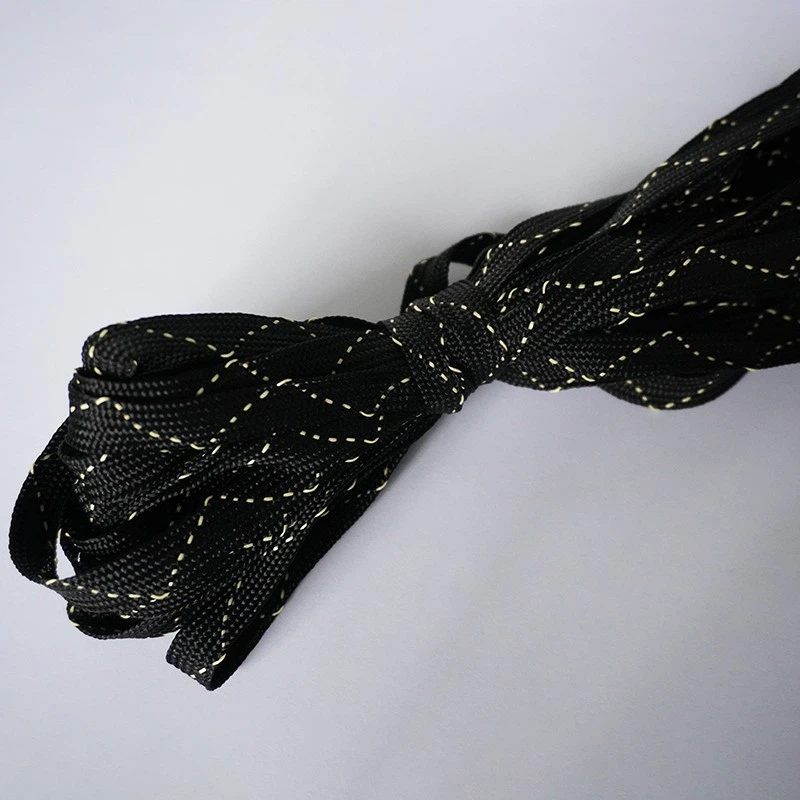
In addition to strength and elasticity, nylon rope is also resistant to abrasion and moisture. Abrasion resistance means that the rope can withstand rubbing against rough surfaces without quickly wearing out. This is important during towing, as the rope may come into contact with various objects, such as rocks, tree branches, or the edges of trailers. Moisture resistance ensures that the rope does not lose its strength when exposed to water, making it suitable for both land - based and water - based towing applications.
Advantages of Using Nylon Rope for Towing
Shock Absorption
As mentioned earlier, the elasticity of nylon rope provides excellent shock absorption. This is crucial for protecting both the towing vehicle and the towed object. In a sudden stop or start, a rigid rope could transfer all the force instantaneously, potentially causing damage to the vehicles' hitches, frames, or other components. With a nylon rope, the stretching action distributes the force over a longer period, reducing the risk of damage.
Strength - to - Weight Ratio
Nylon ropes offer a high strength - to - weight ratio. This means that they can carry heavy loads while being relatively lightweight. A lightweight rope is easier to handle, store, and transport. It also places less additional weight on the towing vehicle, which can be beneficial for fuel efficiency and overall vehicle performance.
Versatility
Nylon ropes can be used in a wide range of towing scenarios. Whether you are towing a car that has broken down on the side of the road, a small boat from the water to a trailer, or even moving heavy equipment on a construction site, nylon rope can be a suitable choice. It can adapt to different environmental conditions, from dry and dusty terrains to wet and humid coastal areas.
Limitations of Using Nylon Rope for Towing
Heat Sensitivity
Nylon rope has a relatively low melting point compared to some other materials. When under excessive friction, such as when it is pulled tightly against a rough surface or when there is a lot of tension for an extended period, the rope can generate heat. If the heat reaches the melting point of nylon, the rope's strength can be significantly reduced, and it may even break. Therefore, it is important to avoid using nylon rope in situations where there is likely to be a lot of friction and heat generation.
UV Degradation
Exposure to ultraviolet (UV) rays from the sun can cause nylon rope to degrade over time. UV rays can break down the chemical bonds in nylon, making the rope weaker and more brittle. This is a concern for outdoor towing applications, especially in areas with a lot of sunlight. To mitigate this issue, some nylon ropes are treated with UV - resistant coatings, but even these ropes will eventually show signs of degradation if exposed to prolonged sunlight.
Stretch Variability
While the elasticity of nylon rope is generally an advantage, it can also be a limitation in some cases. The amount of stretch can vary depending on factors such as the load, the length of the rope, and the age of the rope. In some towing situations, a precise amount of tension and minimal stretch may be required. For example, in some industrial towing operations where precise positioning of heavy equipment is necessary, the variable stretch of nylon rope may not be ideal.
Comparing Nylon Rope with Other Towing Ropes
Polyester Rope
Polyester Rope is another popular choice for towing. Polyester has a higher resistance to UV rays compared to nylon, which means it can withstand longer periods of sunlight exposure without significant degradation. It also has a lower stretch factor, providing more stable and consistent tension during towing. However, polyester rope is generally less elastic than nylon, which means it does not offer the same level of shock absorption. In situations where shock absorption is crucial, nylon rope may be a better option, while polyester rope may be more suitable for applications where minimal stretch and high UV resistance are required.
Steel Cable
Steel cable is extremely strong and has very low stretch. It is often used for heavy - duty towing, such as towing large trucks or industrial machinery. However, steel cable is much heavier than nylon rope, which can make it difficult to handle and transport. It is also more prone to corrosion, especially in wet or salty environments. In contrast, nylon rope is lightweight, resistant to moisture, and easier to work with, making it a more practical choice for many everyday towing applications.
Safety Considerations When Using Nylon Rope for Towing
When using nylon rope for towing, it is essential to follow some safety guidelines. First, always ensure that the rope is rated for the weight of the object being towed. Overloading the rope can cause it to break, leading to dangerous situations. Second, inspect the rope regularly for signs of wear, such as fraying, cuts, or discoloration. If the rope shows any signs of damage, it should be replaced immediately. Third, use proper hitch points on both the towing and towed objects to ensure a secure connection. Make sure the hitch points are strong enough to handle the towing force.

Conclusion
In conclusion, nylon rope can be a viable option for towing in many situations. Its high tensile strength, elasticity, and resistance to abrasion and moisture make it suitable for a variety of towing applications. However, it also has some limitations, such as heat sensitivity and UV degradation, which need to be considered. When compared to other towing ropes like polyester rope and steel cable, nylon rope offers unique advantages and disadvantages.

If you are in the market for a reliable towing solution and are considering nylon rope, we, as a leading Nylon Rope supplier, can provide you with high - quality products that meet your specific needs. Our nylon ropes are carefully manufactured to ensure maximum strength, durability, and safety. Whether you need a rope for occasional car towing or regular industrial use, we have the right product for you.
If you have any questions or would like to discuss your towing requirements in more detail, please feel free to contact us. We are ready to assist you in finding the best nylon rope for your towing applications.

References
- Brown, R. (2018). Handbook of Rope Materials and Applications. Elsevier.
- Smith, J. (2020). Towing Safety Guidelines. National Towing Association.
- Johnson, A. (2019). Synthetic Fibers in Rope Manufacturing. Journal of Materials Science.