


Aramid pattern rope is a high - performance product that many industries rely on. As a supplier of Aramid pattern rope, I often get asked the question: "How long does Aramid pattern rope last?" Well, the answer isn't as straightforward as you might think. There are several factors that come into play when determining the lifespan of this type of rope.
Factors Affecting the Lifespan of Aramid Pattern Rope
1. Usage Conditions
The environment in which the rope is used has a significant impact on its longevity. For instance, if the rope is used in a harsh chemical environment, it's likely to degrade much faster. Chemicals can react with the aramid fibers, weakening the structure of the rope. On the other hand, if the rope is used in a clean, dry environment with minimal exposure to chemicals or abrasive materials, it can last a relatively long time.
Outdoor use also presents its own set of challenges. UV rays from the sun can gradually break down the aramid fibers over time. This is known as photodegradation. The longer the rope is exposed to direct sunlight, the more likely it is to experience a reduction in strength and durability. Extreme temperatures can also affect the rope. In very cold conditions, the rope can become brittle, while in high - temperature environments, the fibers can start to lose their integrity.
2. Load and Stress
The amount of load and stress the rope is subjected to is another crucial factor. If the rope is constantly under heavy loads, it will experience more wear and tear. Overloading the rope beyond its recommended capacity can cause the fibers to break or fray, significantly reducing its lifespan. Even repeated use of the rope under normal loads can lead to fatigue in the fibers over time. For example, if the rope is used for lifting heavy objects on a daily basis, the stress on the rope will accumulate, gradually leading to a decrease in its performance.
3. Frequency of Use
How often the rope is used matters as well. A rope that is used frequently will have a shorter lifespan compared to one that is used only occasionally. Every time the rope is used, it experiences some level of stress and movement, which can cause the fibers to rub against each other and wear down. Even gentle usage can take a toll on the rope over many uses.

Comparing with Other Types of Ropes
To better understand the lifespan of Aramid pattern rope, it's useful to compare it with other common types of ropes like Nylon Rope and Polyester Rope.
Nylon Rope
Nylon rope is known for its high elasticity and strength. It can absorb shock well, which makes it suitable for applications where sudden loads are expected. However, nylon rope is more prone to moisture absorption. When wet, its strength can be reduced by up to 15%. It also has a relatively high coefficient of friction, which means it can heat up and degrade when used in a high - friction environment. In terms of lifespan, under normal usage conditions, a nylon rope might last 2 - 5 years, depending on the usage frequency and load.
Polyester Rope
Polyester rope is resistant to UV rays and moisture. It doesn't absorb water, so its strength remains relatively stable when wet. It also has good chemical resistance compared to nylon. However, polyester rope is not as elastic as nylon, which can make it less suitable for some shock - absorbing applications. A polyester rope can last around 3 - 7 years under normal conditions, but like all ropes, this can vary depending on usage.
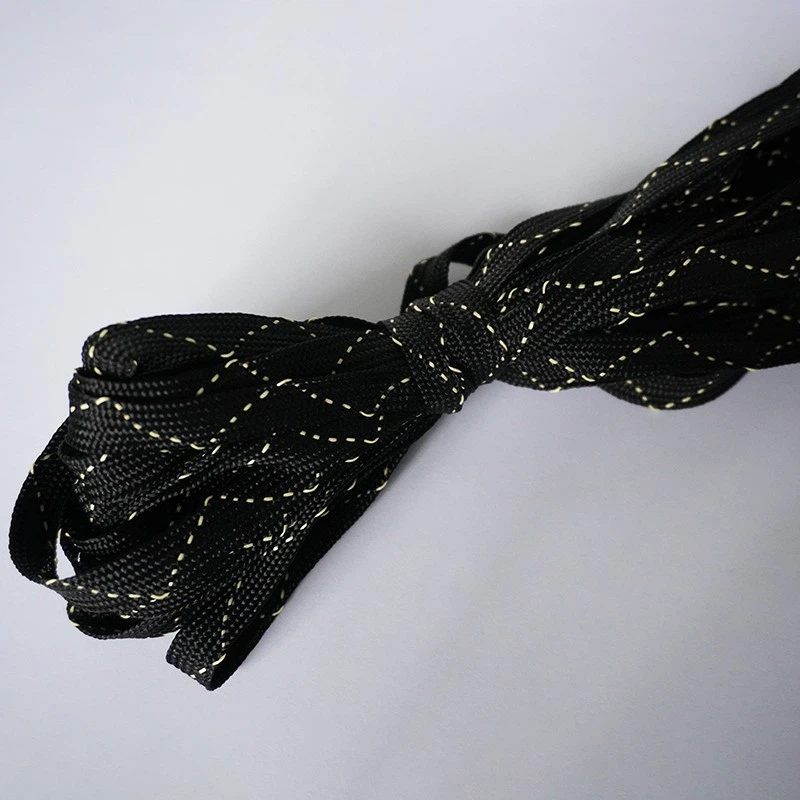
Aramid Pattern Rope
Aramid pattern rope is a high - tech alternative. It has a very high strength - to - weight ratio, meaning it can support heavy loads without being overly bulky. It also has excellent heat and chemical resistance. In an ideal environment with minimal stress and infrequent use, an aramid pattern rope could last 10 years or more. However, in a more demanding environment, such as a construction site where it's constantly exposed to abrasion and heavy loads, its lifespan might be reduced to 3 - 5 years.
Maintenance and Inspection
Proper maintenance and regular inspection can significantly extend the lifespan of an Aramid pattern rope. Here are some tips:
Cleaning
Clean the rope regularly to remove dirt, dust, and any chemical residues. Use a mild detergent and lukewarm water. Avoid using harsh chemicals that could damage the aramid fibers. After cleaning, let the rope dry thoroughly in a shaded area to prevent UV damage.
Storage
Store the rope in a cool, dry place away from direct sunlight and chemicals. Coil the rope neatly to prevent kinking, which can cause stress points in the fibers. A good storage solution is to hang the rope on a rack or store it in a breathable bag.
Inspection
Regularly inspect the rope for signs of wear and tear. Look for frayed fibers, cuts, or any discoloration. If you notice any damage, it's important to replace the rope immediately to avoid safety hazards.
Real - World Examples
Let's take a look at some real - world scenarios to see how these factors play out.
In the aerospace industry, Aramid pattern ropes are used for various applications, such as securing equipment during flights. These ropes are subject to strict safety regulations and are inspected regularly. Since the usage environment is relatively controlled, with minimal exposure to harsh chemicals and UV rays, and the loads are carefully calculated, these ropes can last a long time, often up to 10 years or more.
On the other hand, in the marine industry, ropes are exposed to saltwater, UV rays, and high winds. An Aramid pattern rope used on a fishing boat for towing nets or securing equipment might only last 3 - 5 years due to the harsh conditions. The constant exposure to saltwater can cause corrosion, and the strong winds and waves can put a lot of stress on the rope.
Conclusion
So, how long does Aramid pattern rope last? It can range from 3 - 10 years or more, depending on usage conditions, load, frequency of use, and maintenance. As a supplier of Aramid Pattern Rope, I can offer high - quality products, but it's also important for customers to take good care of the ropes to ensure they get the most out of their investment.
If you're in the market for Aramid pattern rope or have any questions about its lifespan, usage, or maintenance, feel free to get in touch. We're here to help you make the right choice for your specific needs.
References
- Textile Ropes: New Fibers with Ultra - high Performance. Journal of Applied Polymer Science.
- Durability of Synthetic Ropes in Marine Environments. Marine Technology Society Journal.