


As a supplier of Aramid Pattern Rope, I often encounter inquiries from customers regarding the rope's resistance to various environmental factors, with ultraviolet (UV) resistance being a particularly common concern. In this blog post, I will delve into the topic of whether Aramid Pattern Rope is UV-resistant, exploring the science behind it, comparing it with other types of ropes, and providing practical insights for potential buyers.
Understanding Aramid Pattern Rope
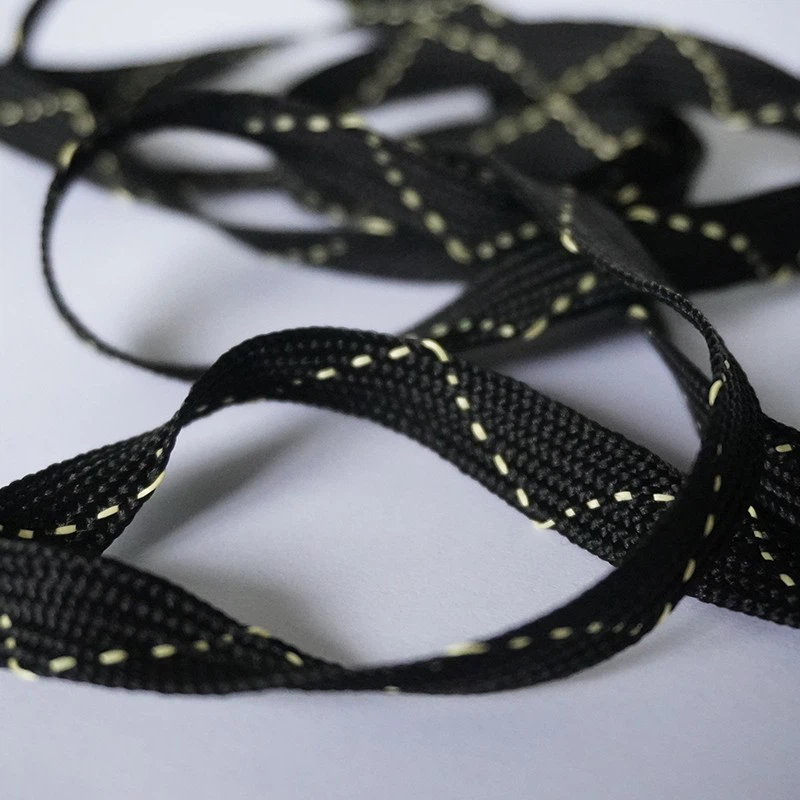
Aramid Pattern Rope is a high-performance rope known for its exceptional strength, low weight, and resistance to abrasion and chemicals. Aramid fibers, such as Kevlar and Twaron, are the key components of this rope. These synthetic fibers are created through a complex chemical process that results in a molecular structure with high tensile strength and excellent thermal stability.
The unique properties of aramid fibers make Aramid Pattern Rope suitable for a wide range of applications, including aerospace, military, marine, and industrial uses. However, when it comes to outdoor applications, the rope's exposure to UV radiation from the sun becomes a critical factor to consider.
The Science of UV Resistance
Ultraviolet radiation is a form of electromagnetic radiation with wavelengths shorter than visible light. There are three main types of UV radiation: UVA, UVB, and UVC. UVC is mostly absorbed by the Earth's atmosphere and does not reach the surface, while UVA and UVB can have significant effects on materials, including ropes.
UV radiation can cause degradation of polymers, which are the building blocks of synthetic ropes. When polymers are exposed to UV light, the energy from the radiation can break the chemical bonds within the polymer chains. This process, known as photodegradation, can lead to a reduction in the rope's strength, flexibility, and overall performance.
Is Aramid Pattern Rope UV-Resistant?
Aramid fibers have some inherent resistance to UV radiation. The molecular structure of aramid fibers provides a certain level of protection against the harmful effects of UV light. However, it is important to note that aramid fibers are not completely immune to UV degradation.
Over time, prolonged exposure to UV radiation can cause the surface of the aramid fibers to become brittle and lose some of their strength. The rate of degradation depends on several factors, including the intensity of the UV radiation, the duration of exposure, and the specific formulation of the aramid fibers.
To enhance the UV resistance of Aramid Pattern Rope, some manufacturers may apply special coatings or treatments to the rope. These coatings can act as a barrier, reducing the amount of UV radiation that reaches the aramid fibers. Additionally, proper storage and maintenance can also help to extend the lifespan of the rope in outdoor environments.
Comparing Aramid Pattern Rope with Other Ropes
To better understand the UV resistance of Aramid Pattern Rope, it is useful to compare it with other common types of ropes, such as Nylon Rope and Polyester Rope.
- Nylon Rope: Nylon is a popular choice for ropes due to its high strength and elasticity. However, nylon is relatively susceptible to UV degradation. When exposed to UV radiation, nylon ropes can experience a significant reduction in strength and become more prone to abrasion and breakage.
- Polyester Rope: Polyester ropes are known for their excellent UV resistance. The chemical structure of polyester provides good protection against UV radiation, making it a suitable choice for outdoor applications. Polyester ropes can maintain their strength and performance for a longer period of time when exposed to sunlight.
In comparison, Aramid Pattern Rope offers a balance between strength and UV resistance. While it may not be as UV-resistant as polyester ropes, it provides much higher strength and abrasion resistance, making it a preferred choice for applications where these properties are crucial.
Practical Considerations for Buyers
If you are considering purchasing Aramid Pattern Rope for outdoor use, there are several practical considerations to keep in mind:

- Assess the UV Exposure: Determine the level of UV exposure that the rope will be subjected to. If the rope will be used in an area with high levels of sunlight, such as near the equator or in a desert environment, you may need to take additional precautions to protect the rope from UV damage.
- Choose the Right Coating or Treatment: Look for Aramid Pattern Rope that has been treated with a UV-resistant coating. This can significantly improve the rope's durability and lifespan in outdoor environments.
- Proper Storage and Maintenance: When not in use, store the rope in a cool, dry place away from direct sunlight. Regularly inspect the rope for signs of damage or degradation, and replace it if necessary.
Conclusion
In conclusion, Aramid Pattern Rope has some inherent resistance to UV radiation, but it is not completely immune to UV degradation. The unique properties of aramid fibers make it a high-performance rope suitable for a wide range of applications, but prolonged exposure to UV light can still have an impact on its strength and performance.
To ensure the longevity of Aramid Pattern Rope in outdoor environments, it is important to choose a rope with a UV-resistant coating, assess the UV exposure, and practice proper storage and maintenance. By taking these steps, you can maximize the benefits of Aramid Pattern Rope and ensure its reliable performance in your applications.
If you are interested in purchasing Aramid Pattern Rope or have any questions about its UV resistance or other properties, please feel free to contact us. We are a professional supplier of Aramid Pattern Rope and can provide you with high-quality products and expert advice.
References
- "Ultraviolet Radiation and Polymers" by John W. Mays
- "Handbook of Fiber Rope Technology" by S.P. Koehler