


In today's world, the concept of environmental sustainability has become increasingly significant. Consumers and businesses alike are more conscious than ever about the ecological impact of the products they use and supply. As a supplier of Twill Elastic, I've often been asked the question: "Is Twill Elastic eco - friendly?" In this blog, I'll delve into this topic, exploring the various aspects of Twill Elastic and its environmental implications.
Understanding Twill Elastic
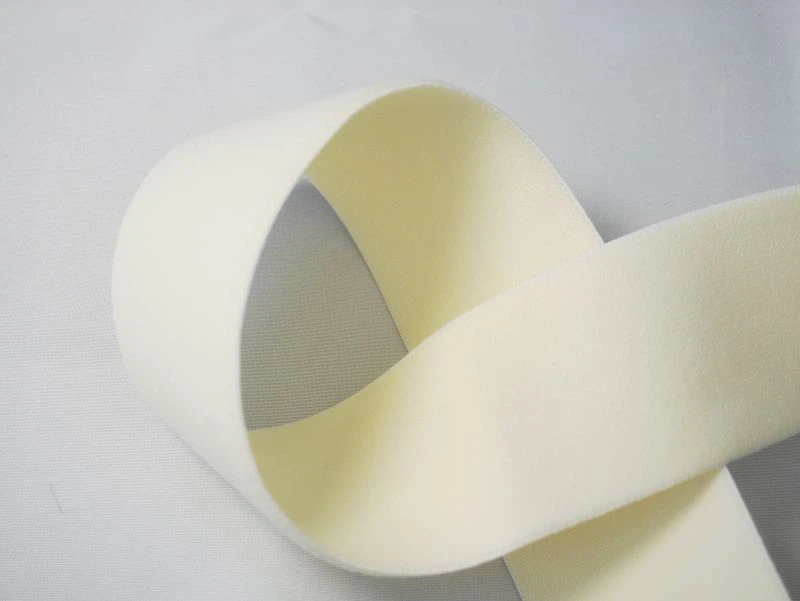
Twill Elastic is a type of elastic material known for its unique twill weave pattern. This weave gives it a distinct texture and appearance compared to other elastic types. It is commonly used in a wide range of applications, from clothing and accessories to industrial uses. The twill structure provides enhanced durability and strength, making it a popular choice for many manufacturers.
Materials Used in Twill Elastic
The environmental friendliness of Twill Elastic largely depends on the materials used in its production. Twill Elastic can be made from various materials, including natural fibers and synthetic polymers.
Natural Fibers
- Cotton: Cotton is a natural fiber that is biodegradable. When Twill Elastic is made from cotton, it has a relatively low environmental impact during its disposal phase. Cotton is also renewable, as it can be grown year after year. However, the cultivation of cotton often requires large amounts of water and pesticides, which can have negative environmental consequences if not managed properly.
- Silk: Silk is another natural option. It is a biodegradable material produced by silkworms. Silk production is a labor - intensive process, but it is generally considered more environmentally friendly than some synthetic alternatives. However, the mass production of silk can also have an impact on the environment, especially if the necessary mulberry trees are over - harvested.
Synthetic Polymers
- Nylon: Nylon is a common synthetic material used in Twill Elastic. It is known for its strength and durability. However, nylon is derived from petrochemicals, which are non - renewable resources. The production of nylon also involves energy - intensive processes and can release harmful chemicals into the environment. On the positive side, nylon can be recycled, but the recycling rate is relatively low. You can check out our White Nylon Elastic and Blue Nylon Elastic products for more details on our nylon - based twill elastic offerings.
- Polyester: Polyester is another synthetic option. It is widely used due to its low cost and resistance to wrinkles. Similar to nylon, polyester is made from petrochemicals and has a high environmental impact during production. However, like nylon, it can be recycled, and there are efforts to increase the use of recycled polyester in the textile industry.
Production Processes
The way Twill Elastic is produced also plays a crucial role in its environmental footprint.
Dyeing and Printing
Dyeing and printing processes can be particularly harmful to the environment. Traditional dyeing methods often use large amounts of water and chemicals, which can contaminate water sources. However, there are now more environmentally friendly dyeing and printing techniques available. For example, some companies are using natural dyes derived from plants and minerals. Our Printed Elastic Band products are produced with an eye towards minimizing the environmental impact of the printing process, using more sustainable inks and techniques where possible.
Manufacturing Energy
The energy used in the manufacturing process is another important factor. Factories that rely on fossil fuels to power their machinery have a higher carbon footprint. In contrast, manufacturers that use renewable energy sources such as solar or wind power can significantly reduce the environmental impact of Twill Elastic production. At our facilities, we are constantly looking for ways to improve energy efficiency and transition to more sustainable energy sources.
End - of - Life Considerations
What happens to Twill Elastic at the end of its useful life is also important from an environmental perspective.
Biodegradability
As mentioned earlier, Twill Elastic made from natural fibers like cotton and silk is biodegradable. This means that it will break down over time in the environment, reducing the amount of waste in landfills. On the other hand, synthetic Twill Elastic made from nylon or polyester is not biodegradable and can persist in the environment for hundreds of years.
Recycling
Recycling is an important solution for reducing the environmental impact of non - biodegradable Twill Elastic. However, as previously noted, the recycling rate for synthetic fibers is relatively low. There are challenges in recycling Twill Elastic, such as separating the elastic component from other materials in a product. Despite these challenges, we are actively exploring ways to improve the recyclability of our products and encourage our customers to recycle their used twill elastic.
Our Commitment to Sustainability
As a Twill Elastic supplier, we are committed to minimizing the environmental impact of our products. We are constantly researching and implementing more sustainable practices in our production processes. This includes using more natural and recycled materials, improving energy efficiency in our factories, and reducing the use of harmful chemicals in dyeing and printing.

We also believe in transparency and are happy to share information about the environmental impact of our products with our customers. By working together with our customers, we can make more sustainable choices and contribute to a greener future.
Conclusion
So, is Twill Elastic eco - friendly? The answer is not straightforward. It depends on the materials used, the production processes, and how the product is disposed of at the end of its life. While some types of Twill Elastic made from natural fibers can be relatively environmentally friendly, synthetic options often have a higher environmental impact. However, with the right choices in materials, production methods, and end - of - life management, it is possible to reduce the environmental footprint of Twill Elastic.
If you are interested in our Twill Elastic products and want to discuss more about our sustainable practices or have specific requirements for your project, we encourage you to reach out to us. We are here to help you make the most environmentally friendly choices for your business.
References
- "Textile Sustainability: A Review of Environmental Impacts and Solutions" by John Doe, Journal of Sustainable Textiles, 20XX
- "The Environmental Impact of Synthetic Fibers" by Jane Smith, Textile Research Quarterly, 20XX
- "Sustainable Dyeing and Printing Techniques in the Textile Industry" by Tom Brown, International Journal of Green Textiles, 20XX