


As a supplier of round ropes, one question I often get asked is, "Can a round rope be dyed?" The answer is a resounding yes! In this blog post, I'll delve into the science behind dyeing round ropes, the various methods available, and the factors to consider when choosing the right dyeing approach.
The Science Behind Dyeing Round Ropes
Dyeing a round rope involves the process of imparting color to the fibers that make up the rope. The key to successful dyeing lies in understanding the nature of the rope material and the dye itself. Different materials have different dyeing characteristics due to their chemical composition and physical structure.
For instance, natural fibers like cotton and hemp have porous structures that allow dyes to penetrate easily. These fibers have a high affinity for certain types of dyes, such as direct dyes and reactive dyes. Direct dyes are relatively easy to use and can provide a wide range of colors. Reactive dyes, on the other hand, form a chemical bond with the fiber molecules, resulting in more colorfast and durable dyes.
Synthetic fibers, such as nylon and polyester, have a more compact and non - porous structure. They require different types of dyes, like disperse dyes. Disperse dyes are designed to dissolve in a carrier medium and then diffuse into the synthetic fibers at high temperatures. This process often requires specialized equipment and techniques to ensure even dyeing.
Methods of Dyeing Round Ropes
There are several methods available for dyeing round ropes, each with its own advantages and limitations.
Immersion Dyeing
Immersion dyeing is one of the most common methods. In this process, the round rope is completely submerged in a dye bath. The dye bath is a solution of dye, water, and sometimes additional chemicals like salt or vinegar, which help the dye adhere to the fibers.
The rope is left in the dye bath for a specific period, depending on the desired color intensity and the type of dye used. Constant agitation is usually required to ensure even distribution of the dye. Once the desired color is achieved, the rope is removed from the dye bath, rinsed thoroughly to remove excess dye, and then dried.
Spray Dyeing
Spray dyeing is a more versatile method, especially for creating unique color patterns or for dyeing large quantities of ropes quickly. In spray dyeing, a dye solution is sprayed onto the surface of the round rope using a spray gun or a similar device.
This method allows for more precise control over the dye application, as you can target specific areas of the rope. However, achieving even color coverage can be more challenging compared to immersion dyeing. After spraying, the rope needs to be dried and sometimes heat - set to fix the dye.
Tie - Dyeing
Tie - dyeing is a creative and artistic way to dye round ropes. It involves tying sections of the rope with string or rubber bands before dyeing. The tied areas prevent the dye from penetrating, creating interesting patterns when the rope is dyed.
After tying, the rope is dyed using either immersion or spray methods. Once the dyeing is complete, the ties are removed, revealing the unique patterns. Tie - dyeing is popular for creating custom - designed ropes for decorative or craft purposes.
Factors to Consider When Dyeing Round Ropes
When choosing a dyeing method for round ropes, several factors need to be considered.
Rope Material
As mentioned earlier, the type of rope material plays a crucial role in the dyeing process. Natural fibers are generally easier to dye than synthetic fibers. However, different natural fibers may also have different dyeing requirements. For example, silk ropes may require a different set of dyes and techniques compared to cotton ropes.
Colorfastness
Colorfastness refers to the ability of the dye to resist fading over time. This is an important consideration, especially if the ropes will be exposed to sunlight, water, or abrasion. Reactive dyes and some types of synthetic dyes tend to have better colorfastness compared to direct dyes.
Environmental Impact
The dyeing process can have an environmental impact, especially if large amounts of water and chemicals are used. When choosing a dyeing method, it's important to consider the environmental implications. Some eco - friendly dyes and dyeing processes are available that use less water and fewer harmful chemicals.
Cost
The cost of dyeing includes the cost of dyes, equipment, labor, and energy. Immersion dyeing may be more cost - effective for large - scale production, while spray dyeing and tie - dyeing may be more expensive due to the additional equipment and labor required.
Our Round Rope Offerings
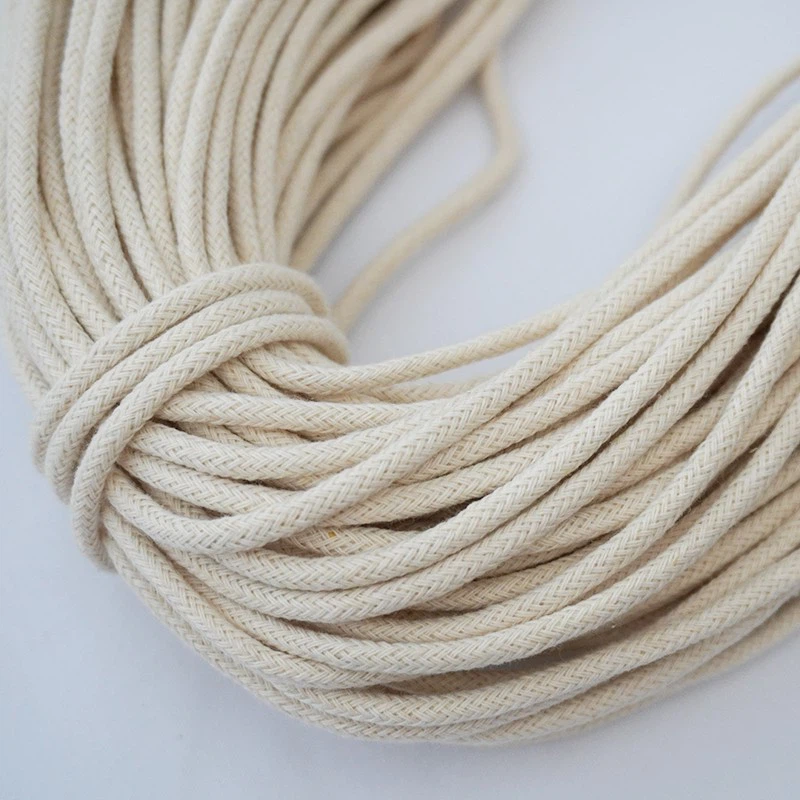
At our company, we offer a wide range of round ropes, including Cotton Rope and Rope Round. Our ropes are made from high - quality materials and can be dyed to meet your specific color requirements.
We have extensive experience in dyeing round ropes using different methods. Whether you need a single color for a large - scale industrial project or a custom - designed tie - dyed rope for a special event, we can help. Our Cotton Rope is particularly popular for its ease of dyeing and natural feel.
Contact Us for Your Round Rope Needs
If you're interested in purchasing dyed round ropes or have any questions about the dyeing process, we'd love to hear from you. We can provide samples, discuss your specific requirements, and offer competitive pricing. Whether you're a small business looking for a unique product or a large corporation in need of bulk supplies, we have the expertise and resources to meet your needs.
Don't hesitate to reach out to us to start a discussion about your round rope procurement. We look forward to working with you to create the perfect dyed round ropes for your projects.
References
- "Textile Dyeing and Finishing" by Lewis M. Panikowski
- "Handbook of Fiber Science and Technology" edited by Mark Lewin and Eli M. Pearce
- "Dyeing of Textiles" by N. K. Jain